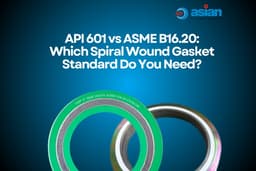



Spiral wound gaskets are among the most widely used sealing solutions in industrial applications where reliability, durability, and performance are critical. Industries such as oil and gas, petrochemicals, power generation, chemical processing, marine engineering, and manufacturing rely heavily on spiral wound gaskets to maintain leak-free operations under demanding conditions.
Despite their superior design and performance capabilities, spiral wound gaskets can fail if they are improperly selected, installed, handled, or operated beyond their design limitations. Gasket failure can lead to costly downtime, environmental hazards, product loss, safety risks, and expensive maintenance repairs.
Understanding the causes of spiral wound gasket failures is essential for plant managers, maintenance teams, engineers, procurement specialists, and business owners who seek to improve operational efficiency and reduce maintenance costs.
This comprehensive guide explores the common causes of spiral wound gasket failure, methods of failure analysis, preventive measures, and practical solutions to ensure long-lasting sealing performance.
What Is a Spiral Wound Gasket?
A spiral wound gasket is a semi-metallic sealing component manufactured by spirally winding a metal strip together with a soft filler material. The combination creates a gasket capable of withstanding extreme temperatures, pressures, and fluctuating operating conditions.
Main Components
Metal Winding
The metal strip provides:
- Mechanical strength
- Pressure resistance
- Structural integrity
- Recovery characteristics
Common materials include:
- Stainless Steel 304
- Stainless Steel 316
- Monel
- Inconel
- Carbon Steel
- Duplex Stainless Steel
Filler Material
The filler provides sealing capability.
Common fillers include:
- Flexible Graphite
- PTFE
- Ceramic Fiber
- Mica
Centering Ring
The outer ring helps:
- Align the gasket properly
- Prevent over-compression
- Improve installation accuracy
Inner Ring
The inner ring:
- Protects the winding
- Prevents inward buckling
- Improves sealing under high-pressure conditions
Why Spiral Wound Gasket Failure Analysis Is Important ?
Failure analysis helps organizations:
- Prevent recurring leakage issues
- Improve equipment reliability
- Reduce maintenance costs
- Increase worker safety
- Avoid environmental incidents
- Improve production efficiency
- Extend equipment lifespan
Without proper failure analysis, companies often replace failed gaskets repeatedly without identifying the actual root cause.
Understanding Spiral Wound Gasket Failure
A gasket is considered failed when it can no longer maintain an effective seal between mating flanges.
Failure may appear as:
- External leakage
- Internal leakage
- Blowout
- Excessive compression
- Distorted winding
- Corrosion damage
- Thermal degradation
The visible leak is often only a symptom. The actual root cause usually originates from installation, design, operational, or material-related issues.
Common Causes of Spiral Wound Gasket Failure
1. Improper Installation
Improper installation remains one of the leading causes of gasket failure worldwide.
Common Installation Mistakes
- Uneven bolt tightening
- Incorrect tightening sequence
- Misaligned flanges
- Reusing old gaskets
- Contaminated flange surfaces
- Incorrect gasket positioning
Impact
Poor installation creates uneven gasket compression, resulting in:
- Leakage paths
- Premature wear
- Reduced sealing efficiency
- Blowout risk
Prevention
- Follow proper torque procedures
- Use calibrated torque tools
- Apply cross-pattern tightening
- Train maintenance personnel regularly
2. Incorrect Gasket Selection
Every application has unique operating requirements.
Using the wrong gasket material can quickly lead to failure.
Selection Errors
- Wrong filler material
- Incompatible metal winding
- Incorrect pressure rating
- Improper temperature range
- Wrong gasket dimensions
Example
Using PTFE filler in extremely high-temperature applications may cause filler degradation and seal loss.
Prevention
Evaluate:
- Operating pressure
- Operating temperature
- Chemical compatibility
- Flange design
- Industry standards
before selecting a gasket.
3. Excessive Compression
Over-tightening bolts can damage spiral wound gaskets.
Effects of Over-Compression
- Crushing of filler material
- Distortion of metal winding
- Reduced recovery characteristics
- Permanent deformation
Symptoms
- Flattened gasket profile
- Damaged winding layers
- Leakage after thermal cycling
Prevention
Always follow manufacturer torque recommendations and flange assembly procedures.
4. Insufficient Compression
Under-tightening can be equally problematic.
Consequences
- Inadequate sealing stress
- Immediate leakage
- Loss of preload
- Vibrational loosening
Common Causes
- Improper torque application
- Bolt relaxation
- Incorrect bolt lubrication
Prevention
Verify bolt loads and conduct periodic inspections.
5. Flange Surface Damage
Flanges provide the sealing surface necessary for gasket performance.
Damaged flange faces can compromise sealing effectiveness.
Typical Damage
- Scratches
- Pitting
- Corrosion
- Dents
- Warping
Failure Mechanism
Surface irregularities create leak paths through which fluids or gases escape.
Prevention
Inspect flange faces before installation and repair damaged surfaces when necessary.
6. Thermal Cycling
Many industrial systems experience repeated heating and cooling cycles.
Effects on Spiral Wound Gaskets
- Differential expansion
- Bolt relaxation
- Loss of gasket stress
- Material fatigue
Common Industries Affected
- Power plants
- Refineries
- Chemical processing units
Prevention
Use gasket materials specifically designed for thermal cycling applications.
7. Chemical Attack
Aggressive chemicals can deteriorate gasket materials over time.
Common Chemical-Related Failures
- Filler degradation
- Metal corrosion
- Material swelling
- Oxidation
High-Risk Chemicals
- Strong acids
- Alkalis
- Solvents
- Oxidizing agents
Prevention
Ensure complete chemical compatibility before installation.
8. Corrosion of Metal Components
Corrosion weakens the metal winding and support rings.
Corrosion Types
General Corrosion
Uniform material loss across the gasket.
Galvanic Corrosion
Occurs when dissimilar metals contact each other.
Crevice Corrosion
Develops in confined spaces where moisture accumulates.
Prevention
Select corrosion-resistant alloys appropriate for service conditions.
9. Vibration and Dynamic Loads
Equipment vibration can significantly affect gasket integrity.
Sources
- Pumps
- Compressors
- Turbines
- Rotating machinery
Failure Effects
- Bolt loosening
- Fatigue cracking
- Seal degradation
Prevention
- Conduct vibration analysis
- Use proper bolting systems
- Implement preventive maintenance programs
10. Pressure Surges and Shock Loads
Unexpected pressure spikes can exceed gasket design limits.
Examples
- Water hammer
- Emergency shutdowns
- Process upsets
Failure Results
- Gasket blowout
- Winding distortion
- Leakage
Prevention
Install pressure-control systems and surge protection devices.
Signs of Spiral Wound Gasket Failure
Early identification can prevent catastrophic failures.
Warning Signs Include
- Visible fluid leakage
- Gas emissions
- Pressure drops
- Product contamination
- Corrosion around flange joints
- Excessive bolt loosening
- Unusual equipment noise
Regular inspections help detect problems before major failures occur.
Spiral Wound Gasket Failure Analysis Process
Step 1: Visual Inspection
Inspect the failed gasket for:
- Cracks
- Distortion
- Corrosion
- Burn marks
- Compression damage
Photographic documentation is recommended.
Step 2: Examine Flange Condition
Check for:
- Surface finish quality
- Flatness
- Corrosion damage
- Mechanical defects
Flange issues often contribute significantly to gasket failures.
Step 3: Review Installation Records
Evaluate:
- Applied torque values
- Tightening sequence
- Bolt condition
- Lubrication practices
Installation errors frequently emerge during this stage.
Step 4: Analyze Operating Conditions
Review process data including:
- Pressure history
- Temperature fluctuations
- Chemical exposure
- Vibration levels
Operational deviations often reveal hidden causes.
Step 5: Material Verification
Confirm that gasket materials match design specifications.
Verify:
- Metal winding grade
- Filler type
- Ring material
- Application compatibility
Most Common Spiral Wound Gasket Failure Modes
Leakage Failure
The most frequently observed failure mode.
Causes
- Insufficient gasket stress
- Surface imperfections
- Incorrect gasket selection
Blowout Failure
A severe failure where the gasket is expelled from the flange assembly.
Causes
- Extreme pressure spikes
- Improper installation
- Flange misalignment
Crushing Failure
Occurs when excessive bolt loads permanently deform the gasket.
Causes
- Over-tightening
- Incorrect torque calculations
Corrosion Failure
Gradual material deterioration due to chemical attack.
Causes
- Incompatible materials
- Aggressive media exposure
Fatigue Failure
Repeated stress cycles eventually weaken gasket components.
Causes
- Thermal cycling
- Vibration
- Pressure fluctuations
Best Practices to Prevent Spiral Wound Gasket Failure
Use High-Quality Gaskets
Investing in premium-quality gaskets reduces long-term maintenance costs and improves reliability.
Choose products manufactured according to recognized industry standards.
Follow Proper Installation Procedures
Always:
- Clean flange surfaces
- Verify alignment
- Use calibrated torque equipment
- Follow recommended bolt tightening sequences
Select Materials Carefully
Consider:
- Pressure rating
- Temperature range
- Chemical compatibility
- Environmental conditions
Material compatibility is critical to sealing success.
Conduct Routine Maintenance
Regular inspections help identify:
- Bolt relaxation
- Corrosion
- Wear
- Leakage
before major failures occur.
Monitor Operating Conditions
Track:
- Temperature changes
- Pressure fluctuations
- Equipment vibration
Monitoring helps prevent operating conditions from exceeding design limits.
Advanced Solutions for High-Risk Applications
Industries with severe operating conditions should consider:
Inner Ring Spiral Wound Gaskets
Provide enhanced protection against inward buckling and erosion.
High-Alloy Metal Windings
Offer improved resistance to corrosion and high temperatures.
Graphite Fillers
Deliver excellent sealing performance under extreme thermal conditions.
Engineered Sealing Systems
Custom-designed gasket solutions improve reliability in demanding environments.
Economic Impact of Gasket Failure
Many organizations underestimate the true cost of gasket failures.
Direct Costs
- Replacement gaskets
- Labor expenses
- Maintenance activities
Indirect Costs
- Production downtime
- Environmental penalties
- Product loss
- Safety incidents
- Reputation damage
A proactive gasket management strategy can significantly reduce these costs.
Creating a Preventive Gasket Management Program
An effective gasket management program should include:
Inventory Control
Maintain proper stock levels of approved gasket materials.
Training Programs
Educate installation and maintenance personnel.
Inspection Schedules
Perform periodic flange and gasket assessments.
Failure Documentation
Record every gasket failure for trend analysis.
Root Cause Analysis
Identify and eliminate recurring problems.
Future Trends in Spiral Wound Gasket Reliability
Modern sealing technology continues to evolve.
Emerging innovations include:
- Advanced alloy materials
- Enhanced graphite formulations
- Smart monitoring systems
- Digital maintenance tracking
- Predictive failure analysis
- Improved manufacturing precision
These developments are helping industries achieve longer gasket life and improved operational reliability.
Conclusion
Spiral wound gaskets play a critical role in maintaining safe, efficient, and leak-free industrial operations. However, even the highest-quality gasket can fail if installation procedures, material selection, operating conditions, or maintenance practices are neglected.
Understanding the root causes of spiral wound gasket failure—including improper installation, excessive compression, flange damage, thermal cycling, chemical attack, corrosion, vibration, and pressure surges—allows organizations to implement effective preventive measures.
A systematic failure analysis process helps identify the true cause of sealing problems and prevents recurring failures. By combining proper gasket selection, professional installation, routine inspections, and proactive maintenance, businesses can significantly improve equipment reliability, reduce downtime, lower operational costs, and enhance workplace safety.
Investing in gasket reliability is not merely a maintenance decision—it is a strategic business investment that contributes directly to productivity, profitability, and long-term operational success.