


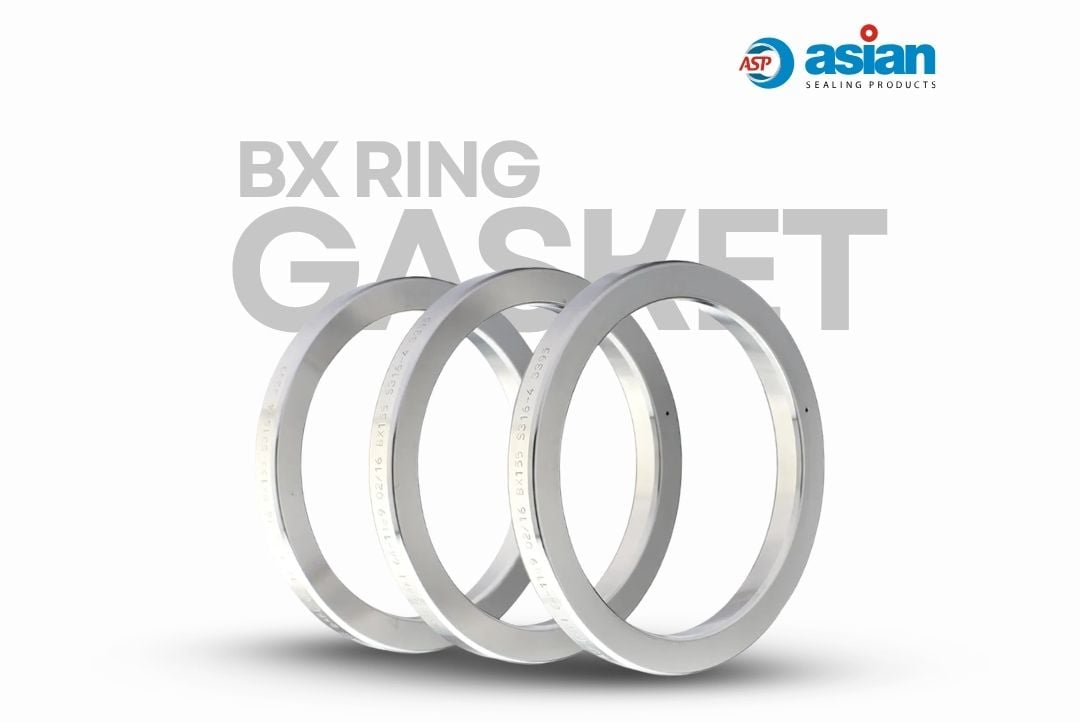
BX Ring Gaskets emerge as stalwarts in the intricate world of industrial sealing solutions, providing robust performance in high-pressure and high-temperature environments. This comprehensive guide delves into the design, applications, advantages, and considerations surrounding BX Ring Gaskets, shedding light on their significance in various industries.
Understanding BX Ring Gasket
1: What is a BX Ring Gasket?
BX Ring gaskets, a subset of Ring Type Joint (RTJ) Gaskets, stand as stalwarts in industrial sealing solutions. Due to their robust design and superior sealing capabilities, these gaskets prevent leaks in high-pressure and high-temperature applications. The ‘BX’ designation signifies a specific type of ring joint gasket with a hexagonal cross-section.
2: Where are BX Ring Gaskets Used?
BX Ring gaskets find applications across diverse industries, including oil and gas, chemical processing, power generation, water treatment, and the pharmaceutical sector. Their ability to withstand extreme conditions makes them indispensable in critical sealing scenarios.
BX Ring Gasket Design and Specifications:
Material Composition and Properties:
Based on the needs of a particular application, BX gaskets are commonly crafted from metallic substances like stainless steel, low-carbon steel, or various alloys. The sealing faces might incorporate a soft coating, such as PTFE (polytetrafluoroethylene) or other elastomers, to improve their sealing capabilities. The selection of the material is contingent upon the specific demands of the application, considering variables like temperature, pressure, and chemical compatibility.
Ring Dimensions and Tolerances:
The dimensions and tolerances of BX Ring gaskets are precisely defined to ensure a secure fit in corresponding flange grooves. The flange size or the related API flange rating is typically used to specify the dimensions. This meticulous design contributes to their effectiveness in high-pressure environments.
Pressure and Temperature Ratings:
BX Ring gaskets boast impressive pressure and temperature ratings, making them suitable for extreme applications. Their ability to maintain a tight seal under significant pressure contributes to their widespread use in critical industries. API standards define the pressure rating of BX Gaskets, corresponding to the API flange rating with which it is used. Standard pressure ratings include API 6A 2,000 PSI, 3,000 PSI, 5,000 PSI, 10,000 PSI, 15,000 PSI, and 20,000 PSI.
Chemical Compatibility:
BX Ring gaskets exhibit compatibility with a wide range of chemicals, further enhancing their versatility. Material selection determines their resistance to corrosive substances, ensuring reliable performance in diverse chemical environments.
API Standards:
BX Gaskets adhere to API standards, particularly API 6A for wellhead and Christmas tree equipment. API standards define the specifications for various oil and gas industry components, including gaskets.
Thickness:
The thickness of BX ring gaskets varies depending on the size and pressure rating. Standard thickness ranges for BX gaskets are between 1/16 inch (1.6 mm) to 1/4 inch (6.35 mm).
Advantages and Disadvantages of BX Ring Gaskets:
Advantages:
- High Sealing Performance: BX Ring gaskets are known for their exceptional sealing capabilities, ensuring leak-free operation in demanding applications.
- Wide Range of Applications: Versatility is a key advantage, with BX Ring gaskets suitable for applications in various industries.
- Easy Installation: Their design facilitates straightforward installation, saving time and effort during assembly.
- Cost-Effective: BX Ring gaskets offer an economical sealing solution without compromising performance.
Disadvantages:
- Temperature Limitations: While BX Ring gaskets excel in high-temperature applications, they have temperature limitations that need consideration.
- Not Suitable for All Fluids: Certain fluids may pose compatibility challenges, necessitating careful selection based on the nature of the fluid.
- Requires Specific Flange Design: BX Ring gaskets necessitate a specific flange design with RTJ grooves, limiting their use to compatible flange configurations.
BX Ring Gasket Applications:
BX Ring gaskets play a pivotal role in various industries, including:
- Chemical Processing: Ensuring leak-proof seals in chemical reactors and processing equipment.
- Oil and Gas: Sealing connections in pipelines, wellheads, and offshore drilling operations.
- Power Generation: Critical applications in turbines, boilers, and heat exchangers.
- Water Treatment: Reliable sealing in pumps, valves, and filtration systems.
- Pharmaceutical Industry: Maintaining sterility in equipment used for pharmaceutical manufacturing.
Choosing the Right BX Ring Gasket for Your Needs:
Selecting the appropriate BX Ring Gasket involves considering several crucial factors:
- Gasket Materials: Assessing the compatibility of materials with the fluid being sealed and the environmental conditions.
- Pressure Ratings: Ensuring that the gasket’s pressure ratings align with the demands of the specific application.
- Flange Compatibility: Verifying that the gasket is compatible with the ring joint flange design.
Installation and Maintenance of BX Ring Gaskets:
Step-by-Step Guide:
Providing a comprehensive guide for installing BX Ring gaskets, including:
- Flange Preparation: Ensuring cleanliness and flatness.
- Gasket Placement: Proper alignment within RTJ grooves.
- Bolt Torqueing: Following recommended torque values for uniform compression.
Troubleshooting Common Installation Issues:
Addressing common challenges such as misalignment, insufficient torque, and flange surface irregularities, offering practical solutions for effective troubleshooting.
Maintenance Tips:
Guidance on routine maintenance practices to extend the lifespan of BX Ring gaskets, including regular inspections, replacement intervals, and proper storage recommendations.
Comparison of BX Ring Gaskets with Other Types:
| Aspect | BX Ring Gaskets | Spiral Wound Gaskets | Rubber Gaskets | Other Metal-Faced Gaskets |
|---|---|---|---|---|
| Design | Solid metal ring with a hexagonal cross-section. | Metal strip wound with a soft filler material. | Elastomeric material (neoprene, EPDM, silicone). | Soft-facing material with a metal core. |
| Applications | High-pressure and high-temperature environments. | Flanged joints with temperature and pressure variations. | Low-pressure applications where chemical resistance is not primary. | Diverse applications require a combination of metal strength and soft material sealing. |
| Strength and Conformability | Combine strength and conformability to irregular flanges. | Good flexibility and adaptability to flange surfaces. | Flexible but may lack the strength of metal cores. | Enhanced strength and sealing capabilities due to the metal core. |
| Pressure Points | The serrated design creates specific pressure points for sealing. | Continuous winding without specific pressure points. | N/A | Dependent on the specific design and configuration. |
| Adaptability | Superior adaptability to flange irregularities. | Adaptable to irregular flange surfaces. | Flexible but may lack the adaptability of serrated designs. | Versatile, with adaptability based on the metal core and facing material. |
| High-Temperature Resistance | Excellent resistance to high temperatures. | Suitable for applications with temperature variations. | Temperature-specific elastomeric material. | High-temperature resistance depends on the metal and facing material. |
This comparative analysis explores the distinctive features of BX Ring Gaskets in contrast to other common gasket types, shedding light on their advantages and considerations in various industrial scenarios.
Conclusion:
Summarizing the article by emphasizing the distinctive advantages of BX Ring gaskets, including their high sealing performance, broad applicability, ease of installation, and cost-effectiveness. Reiterating the importance of careful consideration in material selection and flange compatibility for optimal performance.
In conclusion, this comprehensive guide is valuable for professionals seeking a thorough understanding of BX Ring gaskets. From their design and specifications to practical installation tips and comparisons with other gasket types, this article equips readers with the knowledge to make informed decisions in selecting and utilizing BX Ring gaskets for diverse industrial applications.