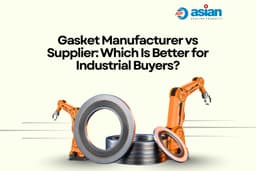
Choosing between a gasket manufacturer and a gasket supplier is an important decision for industrial buyers. The right choice can affect product quality, delivery schedules, technical compatibility, maintenance costs, and long-term procurement efficiency. Although both serve the industrial sealing market, their capabilities, responsibilities, and advantages can differ significantly.
For procurement managers, maintenance engineers, project contractors, and equipment manufacturers, understanding these differences helps simplify purchasing decisions. The best option depends on factors such as order quantity, product specifications, delivery deadlines, customization requirements, and the availability of technical support.
This guide explains the differences between gasket manufacturers and suppliers, the advantages of each, and the key considerations industrial buyers should evaluate before placing an order.
What Is a Gasket Manufacturer?
A gasket manufacturer is a company that produces sealing components using specified materials, manufacturing processes, and quality control procedures. Depending on its facilities and capabilities, a manufacturer may handle material selection, cutting, forming, machining, assembly, inspection, and product testing.
Manufacturers generally work with engineering drawings, dimensional specifications, material requirements, and application-related operating conditions. Some also provide customized solutions for equipment that requires specific sealing dimensions or performance characteristics.
For industrial applications, manufacturing capabilities are important because gaskets must withstand the operating conditions for which they are selected. Pressure, temperature, fluid compatibility, flange condition, and installation practices can all influence sealing performance.
Before choosing a manufacturer, buyers should confirm whether the company produces the required products in-house, which processes are outsourced, and what quality documentation is available.
What Is a Gasket Supplier?
A gasket supplier is a business that sources and distributes sealing products from one or more manufacturers. Suppliers help buyers access different product categories, materials, sizes, and specifications without necessarily dealing directly with multiple production facilities.
Some suppliers maintain inventory for frequently requested products, while others procure materials or finished components after receiving an order. Their main strengths may include product availability, sourcing flexibility, consolidated purchasing, and coordination with manufacturers.
Suppliers can be particularly useful for maintenance teams that need replacement components quickly or procurement departments purchasing different sealing products for several projects.
However, buyers should verify the origin, specifications, traceability, and documentation of supplied products rather than assuming that every item meets the same manufacturing or quality standards.
Gasket Manufacturer vs Supplier: Key Differences
Although manufacturers and suppliers can both support industrial purchasing, their responsibilities are not identical.
1. Product Customization
Manufacturers may offer greater control over custom dimensions, material selection, fabrication methods, and application-specific requirements, depending on their equipment and technical expertise.
Suppliers may also arrange customized products through their manufacturing partners. However, the level of customization depends on the capabilities of those partners and the supplier’s coordination process.
Buyer consideration: If your equipment requires non-standard dimensions, detailed engineering drawings, or specific material requirements, evaluate the technical capabilities of the manufacturer or the supplier’s production network.
2. Product Quality and Traceability
A manufacturer may provide information about raw materials, production methods, inspection procedures, and quality checks. These records can help buyers evaluate whether a product meets the specified requirements.
A supplier’s quality assurance depends on its sourcing process, supplier qualification procedures, incoming inspection practices, and document verification.
For critical applications, ask for relevant material certificates, dimensional inspection reports, product identification, and applicable conformity documents. Requirements should be based on the equipment specification, industry standards, and project documentation.
3. Pricing and Total Procurement Cost
Buying directly from a manufacturer may reduce intermediary costs for certain orders, particularly when purchasing larger quantities or recurring production volumes. However, minimum order quantities, tooling costs, freight, and production lead times can affect the final price.
Suppliers may offer competitive pricing through established sourcing relationships, consolidated shipments, or readily available inventory.
Industrial buyers should compare the total landed cost rather than the unit price alone. Include transportation, import duties where applicable, inspection costs, documentation, storage, and the potential cost of delayed delivery.
4. Delivery Time and Product Availability
Manufacturers must account for production capacity, material availability, manufacturing schedules, and inspection requirements. Custom orders can therefore require additional lead time.
Suppliers may be able to dispatch stocked products more quickly. For non-stock items, however, delivery depends on the manufacturer’s production schedule and the supplier’s logistics arrangements.
Buyers should confirm realistic delivery dates, stock availability, order status updates, and contingency arrangements before committing to a deadline.
5. Technical Support and Application Knowledge
Manufacturers with engineering expertise may help interpret drawings, assess material requirements, and identify production-related limitations.
Experienced suppliers may provide application guidance, recommend suitable product categories, coordinate technical clarifications, and consolidate information from multiple manufacturers.
Neither role automatically guarantees better technical support. Buyers should assess the actual expertise of the team handling their requirements.
Which Types of Industrial Gaskets Should Buyers Evaluate?
The appropriate sealing product depends on the application, operating environment, equipment design, and relevant technical specifications.
- Ring gasket: Commonly used in specified flanged connections where the joint design requires a metallic ring-type seal, including certain high-pressure applications.
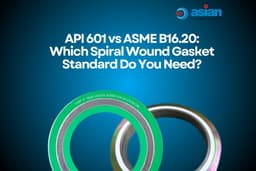
- Spiral wound gasket: Used in suitable flange connections where the design requires a sealing element combining metallic winding with a filler material.
- Metal gasket: Considered for applications requiring metallic sealing solutions, subject to the joint design, surface finish, temperature, and pressure conditions.
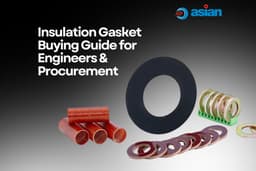
- Insulation gasket: Used in flange insulation assemblies to help electrically isolate connected piping components and reduce galvanic corrosion risks in suitable systems.
- Metal jacketed gasket: Used in selected industrial applications where a metallic outer covering protects a softer filler material and supports the required sealing arrangement.
These products are not interchangeable in every application. Buyers should confirm dimensional compatibility, material suitability, operating limits, and applicable standards before selecting a replacement.
When Should Industrial Buyers Choose a Manufacturer?
Working directly with a manufacturer may be preferable when the purchasing requirement involves:
- Custom-designed components or non-standard dimensions.
- Large-volume or recurring orders that justify direct production coordination.
- Detailed material specifications and manufacturing documentation.
- Project-specific inspection, testing, or traceability requirements.
- Technical discussions involving drawings, tolerances, or production feasibility.
Direct manufacturer engagement can provide a clearer view of production capabilities. However, buyers should still assess manufacturing experience, quality systems, communication, commercial terms, and delivery reliability before making a decision.
When Is a Gasket Supplier the Better Choice?
A supplier may be the more practical option when procurement priorities include:
- Quick access to standard products that are already in stock.
- Purchasing multiple product categories through one contact.
- Smaller or mixed-quantity orders.
- Coordinated sourcing for maintenance, repair, and operations requirements.
- Support with shipping arrangements, documentation collection, and order consolidation.
A capable supplier can simplify purchasing, particularly when an organization manages several facilities or needs products from different manufacturing sources. Buyers should nevertheless verify the supplier’s technical knowledge, sourcing transparency, and quality assurance procedures.
What Should Buyers Check Before Selecting a Gasket Manufacturer or Supplier?
Before approving a vendor, industrial procurement teams should evaluate the following factors.
Product Specifications and Standards
Provide accurate dimensions, material grades, flange details, operating pressure, temperature, and process-fluid information. Identify any applicable standards or project-specific requirements rather than relying on product names alone.
Quality Documentation
Ask which inspection records, material certificates, traceability details, and compliance documents can be supplied for the specific order. Confirm that the documents correspond to the actual products delivered.
Industry Experience
Consider whether the vendor has experience with your equipment type, operating environment, industry requirements, and order complexity.
Lead Times and Logistics
Check production or stock availability, dispatch schedules, packaging, shipping responsibilities, and delivery terms. International shipments may also require appropriate export and import documentation.
Communication and After-Sales Support
Evaluate how the vendor handles technical questions, specification changes, delivery updates, quality concerns, and replacement requirements. Clear communication can prevent costly procurement mistakes.
Sourcing Industrial Gaskets for Gulf and Middle East Markets
Industrial projects across the Gulf and Middle East often require dependable sourcing, suitable technical documentation, and careful coordination of international deliveries. Markets such as Qatar, Saudi Arabia, Kuwait, and the United Arab Emirates may have different project specifications, import procedures, and delivery requirements.
Asian Sealing Products serves industrial sealing requirements with consideration for the needs of buyers in these markets. When evaluating an international manufacturer or supplier, buyers should confirm product availability, destination-specific shipping arrangements, lead times, required certificates, and applicable import documentation before placing an order.
For projects with strict delivery schedules, it is also important to clarify who is responsible for freight coordination, customs-related paperwork, and communication if a shipment is delayed. These checks help procurement teams plan purchases more effectively across borders.
Conclusion
The choice between a gasket manufacturer and a supplier depends on the buyer’s priorities. Manufacturers can be a strong option for custom production, larger orders, and direct technical coordination, while suppliers can simplify sourcing, provide access to stocked products, and consolidate purchasing requirements.
Industrial buyers should compare capabilities, specifications, documentation, delivery commitments, and total cost before making a decision. Businesses researching [Gasket manufacturers] should also distinguish between companies that manufacture products themselves and those that source them through external production partners.
For Asian Sealing Products and its customers, a well-defined procurement process starts with accurate technical requirements and transparent vendor evaluation. By matching the sourcing model to the application’s needs, industrial buyers can make more informed purchasing decisions and support reliable sealing performance throughout the equipment lifecycle.
Frequently Asked Questions
Buying directly may be beneficial for customized products, large orders, and requirements involving detailed manufacturing specifications. The best choice depends on pricing, order quantity, technical support, quality documentation, and delivery commitments.
Yes. Some suppliers coordinate custom production through manufacturing partners. Buyers should confirm the production source, technical capabilities, approval process, and quality documentation before ordering.
No. Direct purchasing can reduce intermediary costs in some situations, but minimum order quantities, production costs, freight, and tooling may increase the total expense. Suppliers may offer better value for stocked products or smaller mixed orders.
Depending on the application and project requirements, buyers may request material certificates, dimensional inspection reports, product traceability records, applicable conformity documents, and relevant quality documentation.
The most important factor is the vendor’s ability to meet the actual application requirements consistently. Product suitability, verified quality, reliable delivery, technical support, and total procurement cost should be assessed together.