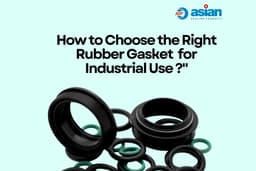


Choosing the wrong rubber gasket doesn’t just cause a leak — it causes unplanned downtime, safety incidents, and expensive rework. Yet most procurement and engineering teams still select gaskets by habit rather than by matching material properties to actual operating conditions.
This guide breaks down exactly how to choose the right Rubber Gasket for industrial use — covering material chemistry, temperature and pressure limits, chemical compatibility, hardness (durometer), industry-specific requirements, and the most common selection mistakes.
Why Rubber Gasket Selection Matters ?
A gasket is a compressible seal placed between two mating surfaces — flanges, housings, or covers — to block the leakage of gases, liquids, oils, or chemicals under pressure. Because rubber gaskets are exposed to constant mechanical stress, temperature swings, and chemical exposure, the wrong material choice leads to premature compression set, cracking, swelling, or complete seal failure.
Selecting the right elastomer up front is far cheaper than replacing failed gaskets, cleaning up leaks, or halting production for emergency maintenance. The correct gasket material also improves sealing reliability, equipment efficiency, service life, and overall maintenance performance, making material selection an important part of any industrial sealing application.
Key Factors to Consider When Choosing a Rubber Gasket
1. Chemical Compatibility
Identify every fluid, gas, or solvent the gasket will contact — including cleaning agents used during maintenance. A material that resists oil may swell or degrade when exposed to steam, alkalis, or aggressive solvents. Always cross-check compatibility charts before finalizing a compound.
2. Temperature Range
Every elastomer has an operating envelope beyond which it hardens, cracks, or loses elasticity:
- Nitrile (NBR): -30°C to 120°C — strong oil and fuel resistance
- EPDM: -40°C to 150°C — excellent for water, steam, UV, and ozone exposure
- Silicone: -60°C to 230°C — ideal for food-grade and high-temp, low-pressure use
- Viton (FKM): up to 250°C — superior chemical and heat resistance for aggressive fluids
- Neoprene (Chloroprene): moderate range — strong resistance to weathering and moderate chemicals
3. Pressure Rating and Mechanical Load
Higher system pressures require gaskets with greater tensile strength and lower compression set, so the seal doesn’t relax and leak under sustained load. For high-pressure or high-temperature flanges, semi-metallic or composite gaskets may outperform pure elastomers.
4. Durometer (Hardness)
Durometer measures how firm or soft a gasket is (typically Shore A scale). Softer compounds (40–60A) conform better to uneven or low-torque flanges; harder compounds (70–90A) resist extrusion under high clamping force. Matching durometer to flange rigidity is critical for a leak-free seal.
5. Compression Set Resistance
Compression set describes a gasket’s ability to return to its original thickness after prolonged compression. Poor compression-set resistance is one of the leading causes of long-term gasket failure, especially in bolted flange joints subject to thermal cycling.
6. Industry and Regulatory Requirements
- Food & beverage / pharmaceutical: FDA-approved, USP Class VI silicone or EPDM
- Oil & gas / petroleum: NBR or Viton for hydrocarbon resistance
- Automotive: NBR and silicone for engines, transmissions, and fuel systems
- Chemical processing: Viton or FFKM for aggressive acids and solvents
- HVAC and water systems: EPDM for steam, ozone, and weathering resistance
7. Gasket Type and Design
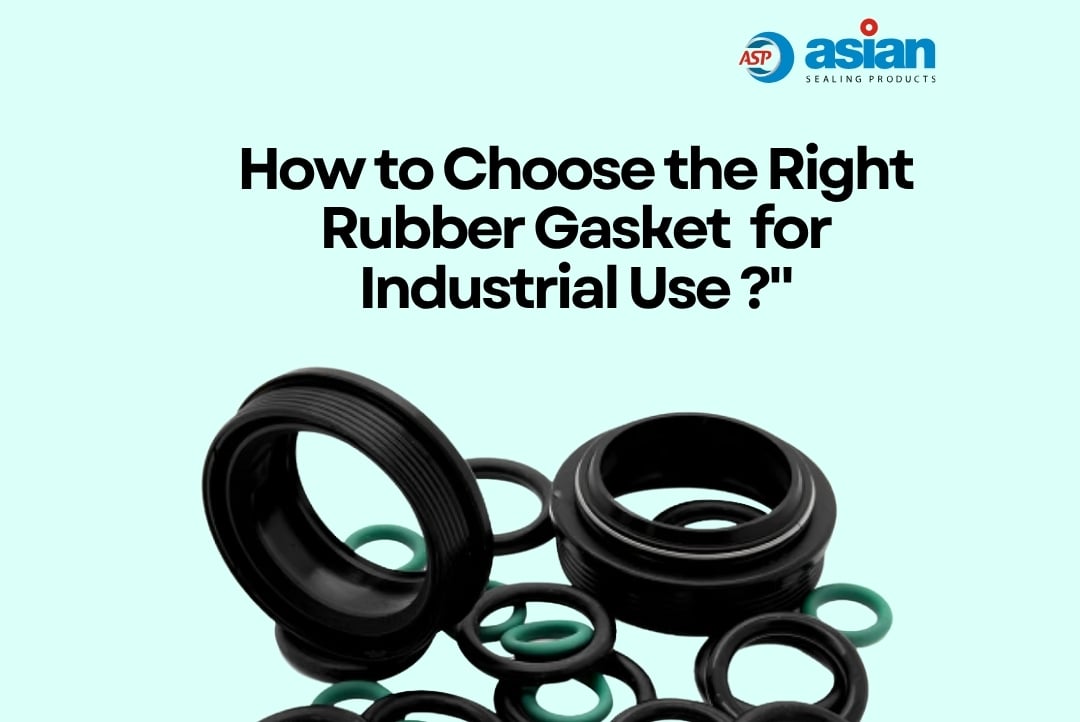
Beyond material, consider the physical format — flat sheet gaskets, molded/custom die-cut gaskets, O-rings, or foam gaskets — based on flange geometry, bolt pattern, and required compressibility.
Step-by-Step: Choosing the Right Gasket
- Map the fluid/gas media and concentration the gasket will contact.
- Define the minimum and maximum operating temperature.
- Confirm system pressure and mechanical stress (vibration, movement).
- Check industry compliance requirements (FDA, NSF, REACH, RoHS).
- Select a base elastomer (NBR, EPDM, silicone, Viton, neoprene).
- Choose durometer and thickness based on flange condition and torque.
- Validate with a supplier who can custom-fabricate to your exact specifications.
Common Gasket Selection Mistakes
- Choosing by cost alone instead of total lifecycle value
- Ignoring cleaning chemicals used during maintenance
- Overlooking compression set in high-cycle or thermal-cycling applications
- Using a generic gasket where a custom die-cut or molded gasket is required
- Failing to consider re-torque and installation procedures, which affect seal life as much as material choice
Final Thoughts
Choosing the right rubber gasket for industrial use comes down to matching material chemistry, temperature range, chemical exposure, and mechanical load to your specific application — not picking whatever is on the shelf. When in doubt, partner with a gasket manufacturer who can review your application drawings and recommend (or custom-fabricate) the right compound and design the first time.
Frequently Asked Questions
EPDM is widely considered the most durable general-purpose option, resisting heat, ozone, UV, and water exposure for years. For chemical-heavy environments, Viton (FKM) offers superior long-term durability against aggressive fluids and high temperatures.
Viton (FKM) and perfluoroelastomer (FFKM) offer the broadest chemical resistance, handling fuels, solvents, and acids. For water-based chemicals and steam, EPDM performs better than Viton.
Identify the maximum and minimum operating temperature of your system, including startup spikes and cleaning cycles (e.g., steam sterilization), then choose a material whose rated range exceeds those extremes with a safety margin.
(Nitrile) is best for oil, fuel, and petroleum-based fluid exposure, while EPDM excels with water, steam, and weathering resistance. Using NBR in a steam application (or EPDM in an oil application) will cause premature swelling and failure.
Yes. Manufacturers can produce custom die-cut, molded, or CNC-cut gaskets to match irregular flange shapes, bolt patterns, or thickness requirements when off-the-shelf sizes don’t fit.
Replacement intervals depend on operating conditions, but gaskets should be inspected regularly for cracking, hardening, or compression set, and replaced at every disassembly rather than reused, since re-torquing a used gasket rarely restores a reliable seal.