


Reliable sealing is essential in industrial systems where fluids, gases, steam, chemicals, and high-pressure media must be contained safely. A properly selected and installed gasket helps prevent leakage, protect equipment, maintain system efficiency, and reduce unexpected maintenance.
Metal gaskets are commonly used in demanding industrial applications because they can withstand high temperatures, pressures, and challenging operating environments. However, even a high-quality gasket can fail when installation procedures are not followed correctly.
This metal gasket installation guide explains the key steps, preparation requirements, common mistakes, and best practices for achieving reliable industrial sealing.
What Is a Metal Gasket?
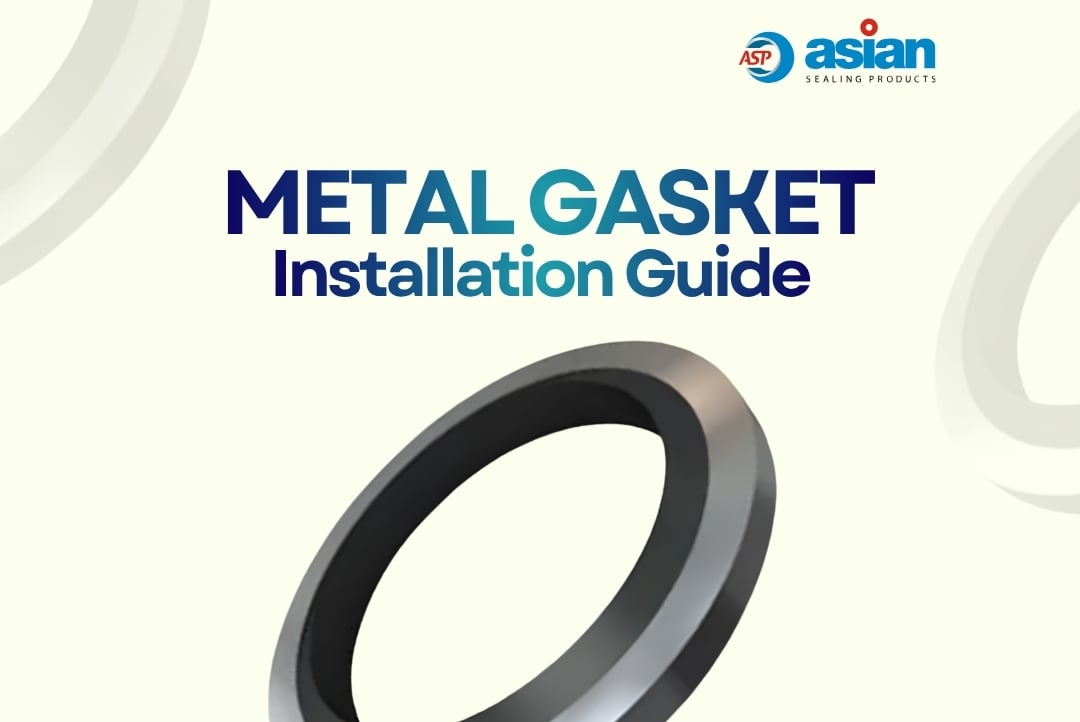
A metal gasket is a sealing component manufactured from metallic materials and designed to create a reliable seal between two mating surfaces. Depending on the application, metal gaskets can be manufactured using materials such as stainless steel, carbon steel, nickel alloys, copper, and other metals suitable for specific operating conditions.
They are widely used in industries such as oil and gas, petrochemicals, power generation, chemical processing, refineries, and heavy engineering.
Unlike softer gasket materials, metal gaskets are designed to perform under demanding combinations of pressure, temperature, and chemical exposure. Their performance depends not only on material selection but also on correct dimensions, flange condition, bolt loading, and installation practices.
Why Proper Metal Gasket Installation Matters ?
Incorrect gasket installation can result in leakage, premature gasket failure, flange damage, and costly equipment downtime.
Common installation-related problems include:
- Uneven compression
- Incorrect gasket positioning
- Damaged sealing surfaces
- Excessive or insufficient bolt tightening
- Reusing a gasket that is designed for single use
- Incorrect gasket dimensions
- Contamination between the gasket and flange surfaces
Following a controlled installation procedure helps ensure that the gasket is compressed evenly and can perform according to its intended design.
Step 1 Inspect the Gasket Before Installation
Before installation, carefully inspect the gasket for visible damage.
Check for:
- Cracks or deformation
- Scratches or dents
- Corrosion
- Damaged sealing areas
- Incorrect dimensions
- Manufacturing defects
- Contamination or foreign particles
The gasket should match the required specifications for the flange, service conditions, pressure rating, temperature range, and process media.
Do not install a gasket that has been damaged during storage, transportation, or handling.
Step 2 Check the Flange Surfaces
The condition of the mating flange surfaces has a direct impact on sealing performance.
Before fitting the gasket, inspect both flange faces for:
- Deep scratches
- Pitting
- Corrosion
- Warping
- Surface damage
- Dirt or foreign material
The flange surfaces should be clean and suitable for the selected gasket. Any contamination, oil, rust, or loose material should be removed using an appropriate cleaning method.
Avoid using tools or cleaning methods that could unnecessarily damage the sealing surface.
Step 3 Confirm the Correct Gasket Position
Position the gasket carefully between the mating flanges.
The gasket should be correctly aligned with the flange and bolt holes where applicable. It should not extend excessively into the pipe bore or sit unevenly on the sealing surface.
Incorrect positioning can create uneven compression and may interfere with the flow path.
For specialized metal gasket designs, always follow the manufacturer’s installation recommendations and applicable industry specifications.
Step 4 Align the Flanges
Before tightening the bolts, make sure the flanges are properly aligned.
Flange misalignment can place additional stress on the gasket and prevent uniform compression. If excessive force is required to bring the flanges together, investigate the underlying alignment issue rather than relying on bolt tightening to correct it.
Proper alignment allows the gasket to receive more consistent loading across the sealing area.
Step 5 Install and Tighten the Bolts Correctly
Bolt tightening is one of the most important parts of gasket installation.
Bolts should generally be tightened gradually using a controlled and balanced sequence. A cross-pattern or star-pattern sequence is commonly used to help distribute the load evenly around the flange.
A typical tightening procedure may involve:
- Installing all bolts and nuts correctly.
- Bringing the flange faces together with an initial light tightening.
- Tightening the bolts gradually in a cross-pattern sequence.
- Increasing the torque in controlled stages.
- Performing a final tightening pass according to the specified torque requirements.
The required bolt torque should be based on the applicable engineering specification, flange design, bolt material, gasket type, lubrication condition, and operating requirements.
Avoid simply applying the maximum torque possible. Excessive bolt loading can damage the gasket, flange, or fasteners.
Step 6 Verify Uniform Compression
After tightening, check that the flange assembly is properly seated and that the gasket has been compressed as intended.
Uneven compression can occur when:
- Bolts are tightened randomly
- Flanges are misaligned
- Bolt friction varies significantly
- The gasket is incorrectly positioned
- Flange surfaces are damaged
Controlled tightening helps minimize these risks and improves sealing reliability.
Common Metal Gasket Installation Mistakes
Several avoidable mistakes can reduce gasket performance.
Reusing a Gasket
Many metal gasket designs are intended for single-use applications. Reusing a compressed gasket can result in reduced sealing performance and an increased risk of leakage.
Always check the manufacturer’s recommendations before considering gasket reuse.
Installing the Wrong Gasket
Selecting a gasket based only on pipe size is not sufficient. The gasket must be compatible with the operating pressure, temperature, chemical environment, flange type, and application requirements.
Ignoring Flange Damage
A damaged flange surface can compromise even a correctly selected gasket. Surface condition should therefore be checked before installation.
Applying Incorrect Torque
Insufficient tightening may prevent proper sealing, while excessive tightening can damage the gasket or flange. Use the recommended torque procedure rather than relying on guesswork.
Contaminating the Sealing Surface
Oil, dirt, metal particles, and other contaminants can interfere with proper gasket seating. Clean handling is essential throughout the installation process.
Choosing the Right Metal Gasket for the Application
Gasket selection should consider the complete operating environment rather than one specification alone.
Important factors include:
| Selection Factor | Why It Matters |
|---|---|
| Pressure | Determines the required sealing capability |
| Temperature | Influences material and gasket performance |
| Process Media | Determines chemical compatibility |
| Flange Type | Affects gasket design and dimensions |
| Gasket Material | Must suit operating conditions |
| Surface Finish | Influences sealing performance |
| Bolt Loading | Determines effective gasket compression |
| Industry Standards | Helps ensure dimensional and application compatibility |
For demanding applications, engineers should evaluate the gasket design, material, dimensions, flange configuration, and operating conditions together.
Best Practices for Reliable Industrial Sealing
For consistent installation results, follow these practices:
- Store gaskets in clean and suitable conditions.
- Handle gaskets carefully to prevent deformation.
- Verify gasket dimensions before installation.
- Clean the mating flange surfaces.
- Check flange alignment before tightening.
- Use appropriate bolts, nuts, and washers where required.
- Follow a controlled tightening sequence.
- Use calibrated torque equipment when torque specifications apply.
- Follow the manufacturer’s installation instructions.
- Replace gaskets when required rather than automatically reusing them.
- Inspect the completed assembly before putting the system into service.
Where Metal Gaskets Are Commonly Used
Metal gaskets are suitable for many demanding industrial sealing applications. They may be used in pipelines, pressure vessels, heat exchangers, valves, pumps, process equipment, and flanged piping systems.
Industries commonly using these sealing solutions include oil and gas, petrochemical processing, chemical manufacturing, power generation, refineries, pharmaceuticals, and heavy engineering.
The exact gasket design and material should always be selected according to the specific service conditions.
Final Thoughts
Proper installation is just as important as gasket selection when it comes to achieving reliable industrial sealing. A high-quality metal gasket can deliver dependable performance in demanding applications, but its effectiveness depends on correct dimensions, compatible materials, clean flange surfaces, proper alignment, and controlled bolt loading.
By following a systematic installation procedure and the manufacturer’s recommendations, industries can reduce leakage risks, improve equipment reliability, and extend the service life of their sealing assemblies.
For critical applications, gasket selection and installation should be evaluated according to the actual pressure, temperature, media, flange configuration, and applicable industry requirements. A systematic approach helps ensure that the sealing system performs reliably throughout its intended service life.