



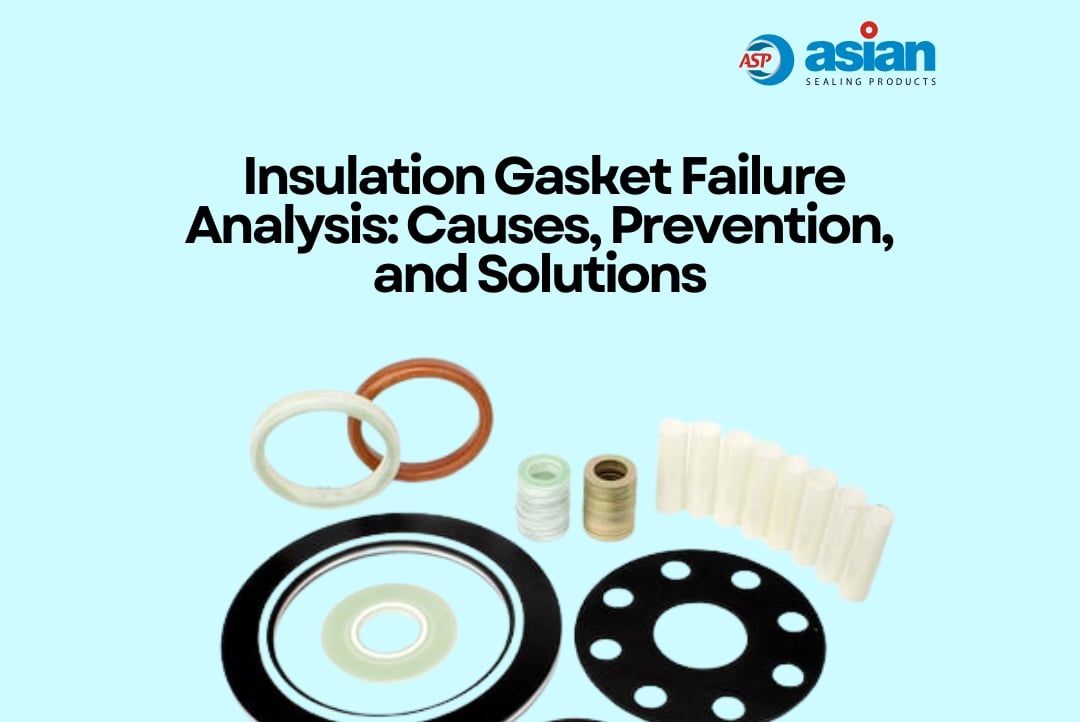
Insulation gaskets play a critical role in pipeline systems, refineries, petrochemical plants, offshore platforms, power generation facilities, and water treatment industries. These specialized sealing components not only prevent fluid leakage but also provide electrical isolation between flange connections, helping protect piping systems from galvanic corrosion, stray current corrosion, and electrochemical degradation.
Despite their importance, insulation gasket failures remain a common challenge across industrial operations. A failed insulation gasket can result in leaks, equipment damage, corrosion-related issues, production downtime, environmental hazards, and increased maintenance costs.
Understanding the root causes of insulation gasket failure is essential for engineers, maintenance professionals, procurement managers, and plant operators. By identifying common failure mechanisms and implementing proper preventive measures, organizations can significantly improve reliability, safety, and operational efficiency.
This guide explores insulation gasket failure analysis in detail, including major causes, warning signs, inspection methods, preventive strategies, and effective solutions.
Understanding Insulation Gaskets
An insulation gasket is a specialized sealing component designed to provide both:
- Leak prevention
- Electrical isolation
These gaskets are typically installed between flanged joints where electrical continuity must be interrupted to prevent corrosion.
Common insulation gasket materials include:
- G10 and G11 epoxy glass laminate
- Phenolic laminate
- GRE (Glass Reinforced Epoxy)
- PTFE
- Neoprene-faced insulation materials
- High-pressure sealing elements
Insulation gasket kits often include:
- Insulation gasket
- Insulating sleeves
- Insulating washers
- Steel backup washers
Together, these components create a complete flange isolation system.
Why Insulation Gasket Failure Matters ?
A failed insulation gasket affects more than sealing performance.
Potential consequences include:
Leakage
Loss of product can create safety hazards and environmental concerns.
Corrosion Damage
Electrical isolation breakdown may accelerate galvanic corrosion.
Increased Maintenance Costs
Frequent gasket replacements increase operational expenses.
Production Downtime
Unexpected failures often require system shutdowns.
Safety Risks
Leaks involving hazardous chemicals, hydrocarbons, or steam can pose serious risks.
Regulatory Non-Compliance
Failure-related incidents can result in environmental violations and penalties.
For critical industrial systems, insulation gasket reliability is a major operational priority.
Common Causes of Insulation Gasket Failure
Understanding why insulation gaskets fail is the first step toward prevention.
1. Improper Installation Practices
Incorrect installation remains one of the leading causes of insulation gasket failure.
Common installation mistakes include:
- Uneven bolt tightening
- Excessive bolt torque
- Misalignment of flanges
- Damaged sleeves during assembly
- Improper washer placement
When installation procedures are ignored, excessive stress develops across the gasket surface.
This often results in:
- Cracking
- Compression damage
- Electrical isolation loss
- Leakage
Prevention
- Follow manufacturer torque specifications.
- Use calibrated torque tools.
- Apply cross-pattern bolt tightening methods.
- Train maintenance personnel properly.
2. Excessive Flange Stress
Pipeline movement, thermal expansion, vibration, and external loading can create excessive stress on flange joints.
Common stress sources include:
- Unsupported piping
- Thermal cycling
- Equipment vibration
- Structural movement
Over time, these stresses may damage the insulation gasket material and sealing element.
Prevention
- Provide adequate pipe supports.
- Perform stress analysis during design.
- Monitor vibration levels.
- Use flexible connections where required.
3. Chemical Attack
Industrial processes often involve aggressive chemicals.
Certain chemicals may degrade insulation gasket materials if material compatibility is not properly evaluated.
Common chemical threats include:
- Acids
- Alkalis
- Hydrocarbons
- Solvents
- Process chemicals
Material degradation may lead to:
- Softening
- Swelling
- Cracking
- Loss of insulation properties
Prevention
- Conduct compatibility analysis before selection.
- Use chemical-resistant gasket materials.
- Review operating conditions regularly.
4. High Temperature Exposure
Extreme temperatures can significantly impact insulation gasket performance.
Potential issues include:
- Material degradation
- Loss of mechanical strength
- Reduced dielectric properties
- Seal failure
Repeated thermal cycling is particularly damaging.
Warning Signs
- Surface discoloration
- Cracking
- Delamination
- Loss of flexibility
Prevention
- Select temperature-rated insulation materials.
- Consider thermal expansion characteristics.
- Use high-performance insulation gasket kits for demanding applications.
5. Moisture Ingress
Moisture penetration is one of the most overlooked causes of insulation gasket failure.
Water absorption may reduce:
- Dielectric strength
- Electrical resistance
- Mechanical integrity
Moisture-related failures are particularly common in:
- Offshore platforms
- Coastal facilities
- Underground installations
- Outdoor piping systems
Prevention
- Use moisture-resistant insulation materials.
- Ensure proper storage before installation.
- Conduct periodic insulation resistance testing.
6. Incorrect Material Selection
Selecting the wrong insulation gasket for service conditions often leads to premature failure.
Factors frequently overlooked include:
- Operating pressure
- Temperature
- Chemical exposure
- Electrical isolation requirements
- Flange type
Prevention
Evaluate:
- Process media
- Maximum operating pressure
- Temperature range
- Environmental exposure
- Regulatory requirements
Always consult manufacturer recommendations.
7. Over-Compression
Excessive bolt torque can crush insulation materials.
Consequences include:
- Cracked gaskets
- Damaged sleeves
- Washer deformation
- Reduced sealing capability
Over-compression often occurs when technicians attempt to stop leaks by tightening bolts beyond recommended limits.
Prevention
- Follow torque procedures.
- Use calibrated equipment.
- Verify flange condition before installation.
8. Mechanical Damage During Handling
Insulation gaskets are precision-engineered products.
Improper handling can cause:
- Surface scratches
- Cracks
- Chipping
- Delamination
Even minor damage may compromise performance.
Prevention
- Store gaskets properly.
- Avoid dropping components.
- Inspect before installation.
Signs of Insulation Gasket Failure
Early detection can prevent major operational disruptions.
Watch for these warning signs:
Visible Leakage
Fluid leakage around flange joints is often the first indication of failure.
Corrosion Around Flanges
Unexpected corrosion may indicate loss of electrical isolation.
Reduced Insulation Resistance
Electrical testing may reveal declining resistance values.
Cracked or Damaged Components
Physical damage should be addressed immediately.
Frequent Maintenance Issues
Repeated flange-related problems often indicate underlying gasket failure.
Process Instability
Pressure loss or system inefficiencies may result from leakage.
Methods for Insulation Gasket Failure Analysis
A systematic investigation helps identify root causes accurately.
Visual Inspection
Inspect for:
- Cracks
- Burn marks
- Compression damage
- Chemical attack
- Delamination
Visual inspection provides valuable clues.
Electrical Testing
Measure:
- Isolation resistance
- Continuity
- Voltage differences
Low resistance values often indicate insulation breakdown.
Torque Verification
Check whether flange bolts were tightened according to specifications.
Improper torque is a frequent contributor to failure.
Material Examination
Laboratory analysis can identify:
- Chemical degradation
- Thermal damage
- Moisture absorption
- Manufacturing defects
Operational Data Review
Evaluate:
- Pressure records
- Temperature history
- Vibration levels
- Process changes
Operational trends often reveal failure triggers.
Best Practices for Preventing Insulation Gasket Failure
Preventive maintenance is far more cost-effective than emergency repairs.
Select the Right Gasket Material
Match materials to:
- Process media
- Pressure ratings
- Temperature conditions
- Environmental exposure
Proper selection dramatically improves reliability.
Follow Proper Installation Procedures
Ensure:
- Clean flange faces
- Correct alignment
- Proper sleeve positioning
- Controlled bolt tightening
Installation quality directly affects service life.
Conduct Routine Inspections
Periodic inspections help identify issues before catastrophic failure occurs.
Recommended checks include:
- Visual inspections
- Leak detection
- Corrosion monitoring
- Electrical testing
Implement Predictive Maintenance
Modern facilities increasingly use predictive maintenance techniques.
Tools include:
- Infrared thermography
- Vibration monitoring
- Corrosion monitoring systems
- Electrical resistance testing
Predictive maintenance reduces unexpected failures.
Protect Against Environmental Exposure
Outdoor systems require additional protection.
Recommended measures:
- Weatherproof coatings
- Moisture barriers
- Protective covers
- Corrosion-resistant materials
Solutions for Failed Insulation Gaskets
When failure occurs, addressing the root cause is critical.
Replace Damaged Components
Never reuse damaged:
- Gaskets
- Sleeves
- Washers
Complete kit replacement is often recommended.
Upgrade Material Specifications
If operating conditions exceed current material limits, consider upgrading to:
- G10/G11 insulation gaskets
- GRE insulation systems
- High-performance PTFE-based designs
Improve Flange Alignment
Misalignment significantly reduces gasket life.
Use precision alignment tools during installation.
Enhance Training Programs
Proper training reduces installation-related failures.
Focus on:
- Torque procedures
- Inspection techniques
- Material handling
- Isolation testing
Conduct Root Cause Analysis
Simply replacing a failed gasket without understanding the cause often leads to repeat failures.
A formal root cause investigation should evaluate:
- Design issues
- Installation practices
- Material selection
- Environmental factors
- Operational conditions
Industry Applications Where Failure Prevention Is Critical
Oil and Gas Facilities
Pipeline integrity and corrosion control are major priorities.
Petrochemical Plants
Chemical compatibility and electrical isolation are essential.
Offshore Platforms
Moisture resistance is critical due to marine environments.
Power Generation Plants
High temperatures require robust insulation systems.
Water Treatment Facilities
Corrosion prevention extends equipment life.
Emerging Technologies in Insulation Gasket Systems
The gasket industry continues to evolve.
Innovations include:
Advanced Composite Materials
Offering improved strength and chemical resistance.
Enhanced Dielectric Properties
Providing superior electrical isolation.
Smart Monitoring Systems
Allowing real-time condition monitoring.
High-Performance Sealing Elements
Improving leak prevention under extreme conditions.
These advancements help reduce maintenance costs and improve reliability.
Conclusion
Insulation gaskets are essential components for maintaining safe, reliable, and corrosion-resistant piping systems. However, failures can occur due to improper installation, excessive stress, chemical attack, moisture ingress, thermal degradation, or incorrect material selection.
A proactive approach to insulation gasket failure analysis enables organizations to identify root causes, implement preventive measures, and improve long-term performance. Regular inspections, proper material selection, controlled installation practices, and predictive maintenance strategies significantly reduce the risk of costly failures.
As industrial facilities continue to prioritize reliability, safety, and operational efficiency, investing in high-quality insulation gasket systems and proper maintenance programs remains one of the most effective ways to protect critical infrastructure and maximize equipment lifespan.
By understanding the causes, prevention methods, and practical solutions discussed in this guide, businesses can minimize downtime, enhance corrosion protection, and achieve superior sealing performance across demanding industrial applications.


