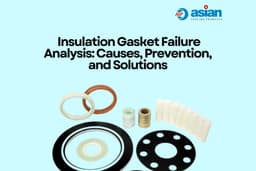


In industrial operations, even the smallest component can have a significant impact on productivity, safety, and profitability. Rubber gaskets are a perfect example. These seemingly simple sealing components play a critical role in preventing leaks, maintaining pressure, protecting equipment, and ensuring smooth operational performance across industries such as oil and gas, chemical processing, power generation, water treatment, food processing, pharmaceuticals, automotive manufacturing, and HVAC systems.
However, when a rubber gasket fails, the consequences can be severe. Unplanned shutdowns, product contamination, equipment damage, safety hazards, environmental incidents, and expensive maintenance costs can quickly escalate into major operational challenges.
Many gasket failures are preventable. Understanding the common causes of rubber gasket failure and implementing effective preventive measures can significantly reduce downtime and extend equipment lifespan.
This guide explores the most common rubber gasket failures, their causes, warning signs, and practical solutions to help businesses improve reliability, reduce maintenance expenses, and maximize operational efficiency.
Understanding the Importance of Rubber Gaskets
Rubber gaskets are mechanical seals designed to fill the space between two mating surfaces. Their primary purpose is to prevent leakage of liquids, gases, chemicals, and contaminants while maintaining pressure and system integrity.
Rubber gaskets are commonly manufactured using materials such as:
- EPDM Rubber
- Neoprene Rubber
- Nitrile (NBR)
- Silicone Rubber
- Viton® (FKM)
- Natural Rubber
- SBR Rubber
Each material offers specific resistance to temperature, pressure, chemicals, oils, weathering, and environmental conditions.
Selecting the right gasket material is the first step toward preventing premature failures.
Why Are Rubber Gasket Failures Costly ?
A failed gasket may appear insignificant, but its impact can spread throughout an entire operation.
Potential consequences include:
Production Downtime
Equipment shutdowns can interrupt manufacturing schedules and delay customer deliveries.
Equipment Damage
Leaking fluids may damage pumps, valves, pipelines, heat exchangers, and machinery.
Safety Risks
Escaping chemicals, steam, or gases can create hazardous working conditions.
Environmental Compliance Issues
Leakages may result in environmental violations and regulatory penalties.
Increased Maintenance Costs
Frequent gasket replacements increase labor costs and maintenance expenses.
Product Loss
Leakages can lead to wasted raw materials and finished products.
Preventing gasket failures is therefore a critical component of operational reliability and asset management.
Common Rubber Gasket Failures and Their Causes
1. Compression Set Failure
Compression set is one of the most common reasons for rubber gasket failure.
What Is Compression Set?
When a rubber gasket remains compressed for an extended period, it can lose its ability to recover its original shape after pressure is removed.
Over time, the gasket becomes permanently deformed.
Causes
- Excessive compression
- High operating temperatures
- Poor material selection
- Aging of rubber compounds
Warning Signs
- Flattened gasket profile
- Reduced sealing force
- Gradual leakage
Prevention Methods
- Use high-quality rubber compounds
- Select materials designed for temperature resistance
- Follow manufacturer torque recommendations
- Avoid over-compression during installation
2. Chemical Degradation
Chemical attack is a leading cause of premature gasket failure in industrial environments.
What Happens?
Certain chemicals can react with rubber compounds, causing:
- Swelling
- Hardening
- Softening
- Cracking
- Loss of elasticity
Common Industries Affected
- Chemical processing
- Petrochemical plants
- Pharmaceutical manufacturing
- Water treatment facilities
Warning Signs
- Surface deterioration
- Excessive swelling
- Color changes
- Cracks and brittleness
Prevention Methods
- Conduct chemical compatibility testing
- Choose chemically resistant materials
- Review process fluid compositions regularly
- Consult gasket manufacturers before installation
3. Excessive Temperature Exposure
Temperature extremes can dramatically reduce gasket performance.
High Temperature Effects
High temperatures accelerate aging and oxidation.
This can lead to:
- Hardening
- Cracking
- Loss of flexibility
- Reduced sealing performance
Low Temperature Effects
Cold temperatures can make rubber brittle and susceptible to cracking.
Warning Signs
- Surface cracks
- Loss of elasticity
- Material shrinkage
Prevention Methods
Select gasket materials suitable for operating conditions:
| Material | Temperature Resistance |
|---|---|
| EPDM | Excellent for hot water and steam |
| Silicone | High-temperature applications |
| Viton | Extreme heat and chemical resistance |
| Nitrile | Moderate temperature environments |
Always consider both operating and peak temperatures.
4. Improper Installation
Even the highest-quality gasket can fail if installed incorrectly.
Common Installation Mistakes
- Uneven bolt tightening
- Misalignment
- Over-torquing
- Under-torquing
- Damaged sealing surfaces
Warning Signs
- Immediate leakage after startup
- Uneven gasket compression
- Premature wear
Prevention Methods
Follow Proper Torque Sequences
Use a star-pattern tightening sequence to ensure even load distribution.
Train Maintenance Personnel
Proper installation procedures reduce human error.
Inspect Flanges
Ensure sealing surfaces are clean and free from damage.
Use Calibrated Torque Tools
Accurate torque application improves sealing reliability.
5. Pressure-Related Failure
Rubber gaskets are designed to operate within specific pressure ranges.
What Happens?
Excessive pressure can cause:
- Gasket blowout
- Extrusion
- Material deformation
Warning Signs
- Sudden leakage
- Visible gasket displacement
- Damaged gasket edges
Prevention Methods
- Verify pressure ratings
- Select appropriate gasket thickness
- Use reinforcement where required
- Monitor pressure fluctuations
6. Gasket Extrusion
Extrusion occurs when gasket material is forced into flange gaps under pressure.
Common Causes
- Excessive system pressure
- Large flange clearances
- Soft gasket materials
Effects
- Loss of sealing capability
- Material tearing
- Complete gasket failure
Prevention Methods
- Select harder rubber compounds
- Use backup rings when necessary
- Maintain proper flange alignment
- Avoid exceeding pressure limits
7. Aging and Environmental Deterioration
Rubber naturally degrades over time.
Environmental Factors
- UV exposure
- Ozone
- Oxygen
- Moisture
- Outdoor weather conditions
Common Symptoms
- Surface cracking
- Hardening
- Brittleness
- Reduced flexibility
Prevention Methods
- Store gaskets properly
- Use UV-resistant materials
- Follow recommended shelf-life guidelines
- Protect inventory from sunlight and ozone sources
8. Abrasion and Mechanical Wear
Some industrial applications expose gaskets to constant vibration, movement, or abrasive particles.
Typical Causes
- Rotating equipment
- Pump systems
- Vibration-prone machinery
- Particle-laden fluids
Warning Signs
- Surface wear
- Material loss
- Irregular sealing surfaces
Prevention Methods
- Use abrasion-resistant materials
- Reduce vibration levels
- Conduct regular inspections
- Install vibration dampening systems
9. Improper Material Selection
Choosing the wrong gasket material remains one of the most expensive mistakes businesses make.
Example Scenarios
A gasket designed for water service may fail rapidly when exposed to:
- Petroleum products
- Aggressive chemicals
- High-temperature steam
Consequences
- Frequent replacements
- Leakage incidents
- Unexpected downtime
Prevention Methods
Evaluate:
- Temperature requirements
- Pressure conditions
- Chemical compatibility
- Environmental exposure
- Regulatory requirements
Always match gasket material to operating conditions.
Industries Most Affected by Rubber Gasket Failures
Oil and Gas Industry
Rubber gasket failures can lead to:
- Hydrocarbon leaks
- Environmental incidents
- Safety risks
Chemical Processing Plants
Chemical incompatibility often causes rapid gasket degradation.
Food and Beverage Manufacturing
Failed gaskets may contaminate products and violate hygiene standards.
Pharmaceutical Facilities
Leakages can affect product quality and regulatory compliance.
Water Treatment Plants
Sealing failures can interrupt critical infrastructure operations.
Automotive Manufacturing
Gasket failures impact engines, cooling systems, fuel systems, and hydraulic applications.
How Preventive Maintenance Reduces Downtime ?
A proactive maintenance strategy significantly lowers the risk of gasket-related failures.
Recommended Inspection Schedule
Monthly Checks
- Visual inspection
- Leak detection
- Bolt integrity assessment
Quarterly Maintenance
- Torque verification
- Surface condition evaluation
- Operating condition review
Annual Assessment
- Comprehensive gasket replacement review
- Material performance analysis
- System optimization recommendations
Best Practices for Rubber Gasket Storage
Proper storage is often overlooked but essential.
Storage Guidelines
- Store in cool, dry environments
- Keep away from direct sunlight
- Avoid ozone-generating equipment
- Maintain original packaging
- Prevent excessive stacking
Proper storage can significantly extend gasket service life.
Signs That Your Rubber Gasket Needs Replacement
Business owners and maintenance teams should watch for these warning signs:
Visible Cracks
Cracking indicates aging or environmental damage.
Hardening
Loss of flexibility reduces sealing effectiveness.
Swelling
Usually caused by chemical incompatibility.
Frequent Leakage
Repeated leakage often indicates gasket degradation.
Permanent Deformation
Compression set reduces sealing force.
Surface Damage
Cuts, tears, or abrasion compromise performance.
Early replacement helps avoid major failures.
Choosing High-Quality Rubber Gaskets for Long-Term Reliability
When sourcing rubber gaskets, prioritize suppliers that offer:
Material Expertise
The supplier should recommend the right compound for your application.
Quality Manufacturing Standards
Look for:
- Consistent dimensions
- Precision cutting
- Quality testing procedures
Industry Certifications
Certified manufacturers typically maintain higher production standards.
Technical Support
Engineering guidance helps ensure proper gasket selection and installation.
Future Trends in Rubber Gasket Technology
Modern gasket technology continues to evolve.
Emerging developments include:
Advanced Elastomer Compounds
Improved resistance to:
- Chemicals
- Temperature
- Pressure
Predictive Maintenance Integration
Sensors and monitoring systems can detect leakage risks before failure occurs.
Custom Engineered Gaskets
Tailored solutions provide superior performance in demanding environments.
Sustainable Materials
Environmentally friendly rubber compounds are becoming increasingly popular.
These innovations help businesses achieve greater operational reliability and reduced maintenance costs.
Conclusion
Rubber gaskets may be small components, but their role in maintaining system integrity is enormous. Common failures such as compression set, chemical degradation, improper installation, temperature damage, extrusion, aging, and material incompatibility can all lead to costly downtime, production losses, and safety concerns.
The good news is that most gasket failures are preventable through proper material selection, correct installation practices, routine inspections, and proactive maintenance strategies.
Businesses that invest in high-quality rubber gaskets and preventive maintenance programs experience fewer shutdowns, improved operational efficiency, lower maintenance costs, and longer equipment life.
By understanding the causes of rubber gasket failures and implementing the preventive measures outlined in this guide, organizations can significantly reduce risk and ensure reliable performance across their industrial operations.