

Hammer unions are widely used pipe connection systems designed for quick installation and secure sealing in high-pressure industrial applications. They are commonly found in oil and gas fields, drilling systems, chemical processing plants, mining operations, and fluid transfer pipelines, where durability and leak-proof performance are critical. Unlike traditional flange connections that require multiple bolts and extended installation time, hammer unions offer a faster and more efficient method for connecting and disconnecting pipelines.
These unions are specifically engineered to withstand extreme operating pressures, vibration, mechanical stress, and harsh environmental conditions. Their robust construction and simple assembly mechanism make them highly suitable for temporary or frequently serviced pipeline systems. In industries where downtime directly impacts productivity and operational cost, hammer unions provide a practical and reliable connection solution.
What Is a Hammer Union?
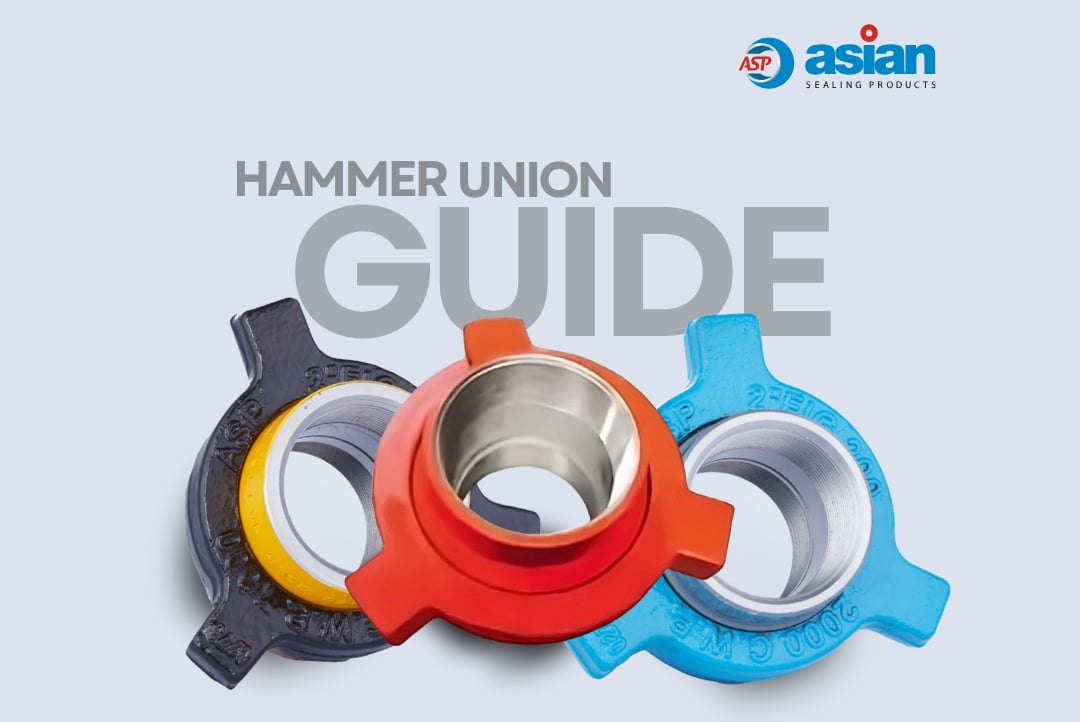
A hammer union is a threaded pipe connection fitting that joins two sections of pipe together using a wing nut mechanism. The connection is tightened by striking the wing nut with a hammer until the assembly becomes securely locked. This design allows rapid assembly and disassembly while maintaining a strong pressure-resistant seal.
Hammer unions are mainly used in high-pressure fluid handling systems where pipelines must be connected and disconnected regularly. They are capable of handling fluids such as drilling mud, crude oil, natural gas, water, slurry, chemicals, and hydraulic fluids. Their design provides both mechanical strength and sealing efficiency, which is why they are extensively used in critical industrial operations.
The name “hammer union” comes from the installation method itself, as technicians use a hammer to tighten the wing nut during assembly. The hammering action creates sufficient torque to hold the connection tightly under demanding operating conditions.
Main Components of a Hammer Union
A hammer union typically consists of three primary components that work together to create a secure and leak-proof pipe connection. Each component plays an important role in ensuring pressure integrity and operational safety.
Male Sub
The male sub is the section that contains the sealing face and inserts into the female sub during assembly. It is carefully machined to ensure accurate alignment and proper sealing performance. Depending on the design, the male sub may contain elastomer seals, metal-to-metal sealing surfaces, or replaceable seal rings. The strength and precision of this component directly affect the reliability of the connection.
Female Sub
The female sub receives the male component and helps align the entire assembly. It is designed with internal geometry that matches the sealing profile of the male sub. Proper alignment between the male and female components is essential for preventing leakage and maintaining pressure resistance during operation.
Wing Nut
The wing nut is the external threaded component used to lock the connection together. It contains hammer lugs or wings that allow technicians to tighten the connection using a hammer. Once tightened, the wing nut applies force to the mating components, creating the necessary sealing pressure.
Seal Ring or O-Ring
Many hammer unions use elastomer seals or replaceable seal rings to improve sealing efficiency. These sealing elements help prevent leakage under high pressure and vibration. Depending on the application, the seal material may vary to resist chemicals, temperature changes, or corrosive environments.
How Does a Hammer Union Work?
The working principle of a hammer union is relatively simple yet highly effective for high-pressure systems. During installation, the male sub is inserted into the female sub while ensuring proper alignment of the sealing surfaces. The wing nut is then threaded over the connection and tightened manually before final hammering.
Once the assembly is aligned, technicians strike the wing nut lugs using a hammer to generate the required tightening force. This hammering action compresses the sealing surfaces together and creates a strong mechanical lock. The result is a secure connection capable of handling high-pressure fluids and mechanical vibration.
One of the key advantages of this design is the speed of assembly and removal. In industries such as oil drilling and hydraulic fracturing, pipelines may need frequent maintenance or relocation. Hammer unions reduce downtime significantly compared to conventional bolted flange systems.
Types of Hammer Unions
Hammer unions are available in different configurations based on operating pressure, sealing design, and application requirements. These unions are commonly identified by figure numbers that indicate their pressure capability and intended service conditions.
Figure 100 Hammer Union
Figure 100 hammer unions are designed for low-pressure applications and are commonly used in water transfer and mud handling systems. They are generally suitable for applications where operating pressure is relatively moderate and severe vibration is not present.
Figure 200 Hammer Union
Figure 200 unions are designed for medium-pressure service and are commonly used in general industrial fluid systems. They provide improved sealing capability compared to Figure 100 unions and are suitable for water, oil, and gas applications.
Figure 206 Hammer Union
Figure 206 hammer unions are designed for higher pressure systems and provide enhanced sealing performance. These unions are frequently used where improved durability and vibration resistance are required.
Figure 400 Hammer Union
Figure 400 unions are commonly used in drilling mud systems and medium-pressure pipeline applications. They offer stronger construction and higher pressure resistance than lower figure models.
Figure 602 Hammer Union
Figure 602 hammer unions are specifically designed for sour gas service and demanding oilfield environments. They often include special materials and sealing systems that resist hydrogen sulfide exposure and corrosive conditions.
Figure 1002 Hammer Union
Figure 1002 unions are high-pressure hammer unions used extensively in cementing, fracturing, and well servicing applications. Their heavy-duty construction allows them to withstand severe pressure conditions in oilfield operations.
Figure 1502 Hammer Union
Figure 1502 hammer unions are among the most widely used high-pressure unions in the oil and gas industry. They are designed for extreme pressure service and are commonly used in hydraulic fracturing systems, high-pressure flow lines, and drilling operations.
Hammer Union Pressure Ratings
Pressure rating is one of the most important factors when selecting a hammer union. Different figure numbers correspond to different pressure capabilities, and choosing the wrong pressure class can lead to leakage or system failure.
Low-pressure unions such as Figure 100 are generally suitable for pressures up to 1,000 PSI, while Figure 200 and Figure 400 unions can handle moderate operating pressures. High-pressure unions such as Figure 1002 and Figure 1502 are designed for extreme operating conditions and may handle pressures ranging from 10,000 PSI to 15,000 PSI depending on the manufacturer and material specification.
Actual pressure performance depends on several factors, including material strength, temperature, fluid type, seal design, and maintenance condition. It is essential to verify manufacturer specifications before selecting a hammer union for critical applications.
Materials Used in Hammer Unions
Hammer unions are manufactured using different materials depending on the intended operating environment and fluid compatibility requirements. Material selection plays a major role in determining corrosion resistance, mechanical strength, and overall service life.
Carbon Steel
Carbon steel hammer unions are widely used in standard industrial and oilfield applications because of their strength and cost-effectiveness. They are suitable for general fluid transfer systems where corrosion exposure is limited.
Stainless Steel
Stainless steel hammer unions provide excellent corrosion resistance and are commonly used in chemical processing plants, offshore systems, and marine environments. They perform well in applications involving aggressive chemicals or moisture exposure.
Alloy Steel
Alloy steel hammer unions are designed for high-pressure and high-temperature service conditions. These materials offer improved mechanical properties and enhanced durability under severe operating environments.
Sour Gas Resistant Materials
In sour gas applications where hydrogen sulfide exposure is present, hammer unions are manufactured using NACE-compliant materials to prevent sulfide stress cracking and corrosion-related failures.
Applications of Hammer Unions
Hammer unions are used across multiple industries where secure and rapid pipe connections are essential. Their versatility and pressure-handling capability make them ideal for demanding industrial operations.
In the oil and gas industry, hammer unions are extensively used in drilling rigs, well servicing systems, mud transfer lines, cementing units, and hydraulic fracturing operations. Their ability to withstand high pressure and vibration makes them suitable for harsh oilfield environments.
Chemical processing plants use hammer unions for transferring aggressive fluids and chemicals through high-pressure pipelines. Mining industries utilize them in slurry transportation and dewatering systems where durable connections are necessary.
Hammer unions are also found in water treatment facilities, industrial hydraulic systems, temporary piping systems, and power generation plants where rapid assembly and maintenance efficiency are important operational requirements.
Advantages of Hammer Unions
One of the biggest advantages of hammer unions is their quick installation and removal capability. Since they do not require multiple bolts like flanged systems, maintenance crews can connect or disconnect pipelines much faster, reducing operational downtime.
Hammer unions are also highly durable and capable of handling extreme operating pressures and vibration. Their rugged construction allows them to perform reliably in harsh industrial conditions where conventional connections may fail.
Another significant advantage is sealing efficiency. Properly installed hammer unions provide leak-resistant performance even under fluctuating pressure conditions. Their reusable design also makes them cost-effective for applications involving repeated pipeline assembly and disassembly.
Hammer Union vs Flanged Connection
Hammer unions and flanged connections are both used in industrial piping systems, but they serve different operational needs. Flanged connections provide excellent long-term sealing for permanent installations; however, they require more installation time because multiple bolts must be tightened evenly.
Hammer unions, on the other hand, are specifically designed for rapid assembly and removal. They are more suitable for temporary systems, mobile equipment, and applications requiring frequent maintenance access. This makes them particularly valuable in oilfield operations and temporary industrial piping setups.
While both connection types can handle high pressure, hammer unions offer greater convenience and reduced labor time in dynamic operating environments.
Factors to Consider When Selecting a Hammer Union
Selecting the correct hammer union requires careful evaluation of the operating environment and system requirements. Pressure rating is one of the most critical factors, as the union must safely withstand the maximum operating pressure of the system.
Fluid compatibility is equally important because corrosive chemicals or abrasive slurry may require specialized materials and seal configurations. Temperature conditions should also be considered since extreme heat or cold can affect seal performance and material strength.
Connection size, thread compatibility, sealing mechanism, and compliance with industry standards such as API or NACE are additional factors that influence selection. Choosing the right hammer union improves operational safety, system reliability, and equipment lifespan.
Hammer Union Installation Procedure
Proper installation of a hammer union is important for ensuring leak-proof performance, operational safety, and long service life. Incorrect installation can cause seal damage, leakage, thread failure, or pipe disconnection in high-pressure systems.
Before installation, inspect all hammer union components for cracks, corrosion, worn threads, or damaged sealing surfaces. Any defective parts should be replaced immediately to avoid operational failure. The threads and sealing faces should also be cleaned properly to remove dirt, rust, or debris that may affect sealing performance.
The male sub should be aligned correctly with the female sub to prevent cross-threading or seal damage. Once aligned, the wing nut is tightened manually before hammering. A hammer is then used to strike the wing nut evenly until the connection becomes secure.
Excessive hammering should be avoided because it may damage the wing nut or sealing surfaces. Under-tightening can also result in leakage during operation. After installation, the connection should be visually inspected and pressure tested if required.
For high-pressure or hazardous fluid applications, installation should always follow manufacturer guidelines and industry safety standards.
Common Hammer Union Installation Mistakes
One common mistake is using mismatched hammer union figures or incompatible components. Different union figures are designed for specific pressure ratings and sealing systems, so mixing components can lead to leakage or failure.
Improper alignment during assembly can damage the threads and sealing surfaces. Installing unions with dirty or worn seals also increases the risk of leakage under pressure.
Another common issue is excessive hammering, which may crack the wing nut or deform sealing surfaces. Regular inspection and proper maintenance help prevent operational problems and extend service life.
Safety Precautions During Hammer Union Installation
Safety is critical when installing hammer unions in high-pressure systems. Workers should wear protective equipment such as gloves, helmets, eye protection, and safety footwear during installation and maintenance.
Before loosening or removing a hammer union, the pipeline must be completely depressurized to avoid sudden fluid release or injury. Only properly rated hammer unions should be used for the intended pressure and fluid type.
Technicians should also inspect installation tools regularly and follow proper installation procedures to maintain safe and reliable operation.
Hammer Union Maintenance Tips
Proper maintenance is essential for ensuring long-term performance and preventing leakage or mechanical failure. Hammer unions should be inspected regularly for thread damage, corrosion, cracks, or worn sealing surfaces.
Seals and O-rings must be replaced periodically, especially in high-pressure or chemically aggressive applications. Threads should be lubricated to prevent galling and facilitate smooth assembly.
Over-hammering should be avoided because excessive force can damage the wing nut or sealing components. Regular inspection and preventive maintenance significantly reduce the risk of unexpected downtime and operational hazards.
Conclusion
Hammer unions are critical components in high-pressure industrial piping systems where quick assembly, strong sealing performance, and operational reliability are required. Their rugged construction and ability to handle demanding environments make them indispensable across oil and gas, chemical processing, mining, and industrial fluid transfer applications.
Understanding the different hammer union types, pressure ratings, materials, and applications helps industries select the most suitable connection system for their operations. By choosing high-quality hammer unions and maintaining them properly, businesses can improve safety, reduce downtime, and achieve long-term pipeline performance in challenging industrial environments.