

In industrial applications where fluid containment is critical, reliable sealing solutions prevent leaks and ensure the integrity of pipelines and equipment. One of the key components in this context is the ring gasket, a sealing device designed to fill the space between two joining surfaces. Two popular types of ring gaskets are the RX and SRX, each with unique characteristics and applications. This comprehensive guide aims to delve into the specifics of both types, addressing design, materials, applications, and performance factors.
Understanding Rx Ring Gaskets
What are Rx Ring Gaskets?
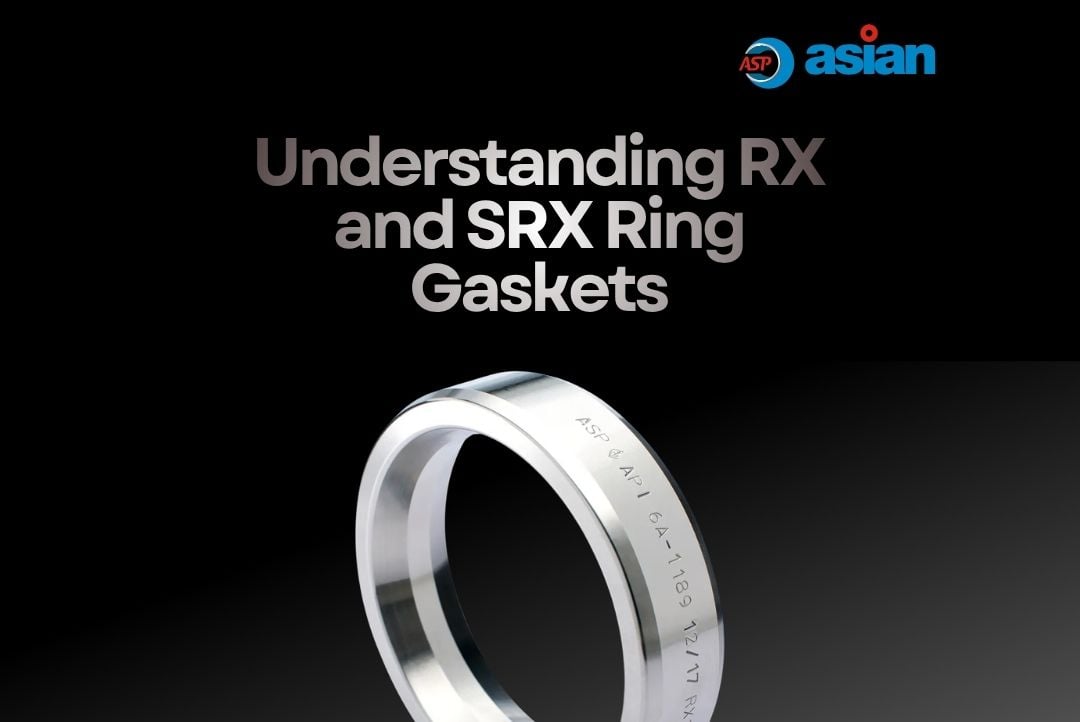
RX ring gaskets, widely employed in flange connections, are metallic gaskets favored for their reliability in high-pressure and high-temperature settings. Engineered to deliver robust sealing, they prevent the leakage of fluids or gases from joints. The “RX” designation stands for “ring joint extra,” indicating that these gaskets are an improved version of the standard R ring gaskets. The distinctive feature of Rx gaskets lies in their octagonal shape, which facilitates optimal contact with flange surfaces. This design characteristic makes RX gaskets particularly well-suited for applications where a robust sealing solution is paramount.
Key Features of Rx Ring Gaskets
Metal Construction:
RX ring gaskets are typically made from metal materials like stainless steel or alloy. This gives them the strength and durability needed to withstand extreme operating conditions.
Octagonal Shape:
The distinctive octagonal shape and T-section design of RX gaskets enhance their sealing capabilities. The shape allows for better contact between the gasket and flange surfaces, promoting a tight and secure seal.
Pressure Resistance:
RX gaskets are well-suited for high-pressure applications. The design and materials used in these gaskets enable them to resist the forces generated by intense fluid pressures within pipelines or vessels.
High-Temperature Performance:
In environments where temperatures are elevated, RX ring gaskets excel. Their robust construction and material composition make them capable of withstanding the thermal stress associated with high temperatures.
Rx Ring Gasket Materials
Rx gaskets are typically constructed from metal materials, such as stainless steel or alloy, providing durability and resilience in demanding conditions. Elastomeric materials like EPDM, NBR, and FKM are also commonly used, offering flexibility and compatibility with various fluids.
RX Gasket Applications:
Rx gaskets are employed in critical areas of industrial systems, including pumps, valves, and flanges. Their robust sealing capabilities make them indispensable in processes where fluid containment and leak prevention are paramount.
- Pumps: Rx gaskets play a vital role in ensuring the integrity of pump systems, preventing fluid leaks, and maintaining operational efficiency.
- Valves: In valve applications, Rx gaskets contribute to leak-free operation, enhancing the reliability of fluid control systems.
- Flanges: Rx gaskets provide a secure seal in flange connections, which is crucial for preventing leaks and maintaining the overall integrity of pipelines.
Understanding SRX Ring Gasket
What is an SRX Ring Gasket?
SRX ring gaskets share many characteristics with RX gaskets but specifically focus on providing superior sealing performance. The “S” in SRX stands for “special,” underscoring the enhanced features that make these gaskets particularly effective in challenging applications. SRX ring gaskets are specifically engineered to fulfill the rigorous demands of applications under high pressure, especially within industries such as oil and gas. These gaskets adhere to API 6A standards, making them a reliable choice for critical sealing applications in challenging environments.
Features of SRX Ring Gasket
Advanced Sealing Design:
- SRX gaskets often incorporate design modifications that improve their sealing capabilities. This can include additional layers or specialized profiles to optimize contact with flange surfaces.
Customizable Materials:
- SRX gaskets may be available in a broader range of materials to meet specific application requirements. This customization allows compatibility with diverse fluids, chemicals, and operating conditions.
Extreme Conditions:
- SRX ring gaskets are designed to perform exceptionally well in extreme conditions, including corrosive environments, high pressures, and temperatures. Their ability to maintain a reliable seal under these circumstances makes them a preferred choice in challenging industrial settings.
Blowout prevention (BOP)
Blowout prevention (BOP) is crucial in the oil and gas industry, and SRX gaskets excel in such applications. Their design and material characteristics contribute to preventing blowouts enhancing safety in critical operations.
SRX Ring Gasket Materials
SRx ring gaskets incorporate advanced materials carefully selected to meet the challenges of extreme pressure and critical environments. These materials may include specialized alloys, high-grade stainless steel, and elastomers with superior resistance to chemicals and temperature variations.
Applications of SRx Ring Gaskets:
SRx ring gaskets find their niche in applications where standard gaskets may need to catch up. Some prominent industries and scenarios where SRx gaskets are extensively used include:
- Nuclear Power: The extreme conditions within nuclear power plants demand gaskets that can withstand high pressures and radiation exposure. SRx gaskets offer a reliable sealing solution in these critical environments.
- Aerospace: In aerospace applications, where components are subjected to varying pressures during flight, SRx gaskets provide the necessary sealing integrity. Their resistance to extreme conditions makes them well-suited for aerospace systems.
- Chemical Processing: Industries involved in chemical processing often deal with corrosive substances and fluctuating temperatures. SRx gaskets, with their enhanced chemical resistance, are essential for maintaining leak-free operations in chemical plants.
Choosing the Right RX Gasket or SRx Ring Gasket for Your Needs
Selecting the appropriate type of ring gasket requires careful consideration of several factors, ensuring compatibility with the specific application requirements. Here are key considerations for choosing the correct type of RX or SRX gasket:
- Pressure Requirements: Understanding the pressure conditions within the system is essential. Rx and SRx gaskets have different pressure ratings, and selecting the right one ensures the gasket can withstand the specific forces encountered.
- Temperature Specifications: Consider the operating environment’s temperature range. These gaskets exhibit excellent high-temperature performance, but matching the gasket’s capabilities with the application’s temperature demands is crucial.
- Chemical Compatibility: Consider the type of fluids the gasket will contact. Different materials used in gaskets offer varying levels of chemical resistance. Ensure compatibility with the substances in your system.
- Flange Type and Dimensions: The flange connection dimensions and type are crucial in selecting the right Rx gasket. Adhering to proper dimensions and tolerances ensures a secure fit and effective sealing.
- Application Specifics: Understand the unique requirements of your application. Ensure that the gasket’s specifications align with the demands of your specific industry.
Difference Between Rx and SRx Ring Gaskets
| Criteria | Rx Ring Gasket | SRx Ring Gasket |
|---|---|---|
| Design | Octagonal shape with T-section | Similar to Rx gasket but with a trapezoidal cross-section |
| Pressure Ratings | Range from 1500 psi to 10,000 psi. | It can exceed 15,000 psi. |
| Temperature Ratings | Temperature range from -250°F to 1100°F | It can exceed 1200°F. |
| Materials | Commonly constructed from materials like stainless steel, EPDM, NBR, or FKM | Utilizes advanced materials, including specialized alloys and high-grade stainless steel |
| Cost | Less expensive compared to Srx gasket | It is costly compared to Rx gasket |
Installation and Maintenance of RX and SRX Ring Gaskets:
1: Installation Guidelines:
- Surface Preparation: Ensure that flange surfaces are clean and debris-free before installation.
- Proper Alignment: Align the gasket within the flange to ensure uniform contact and an effective seal.
- Bolt Tightening: Follow manufacturer-recommended torque specifications for bolt tightening to achieve the required compression and sealing.
2: Maintenance Recommendations:
- Regular Inspections: Periodically inspect gaskets for wear, damage, or degradation signs. Replace any gaskets showing signs of deterioration promptly.
- Fluid Compatibility: If changes in the fluid are being conveyed, verify the compatibility of the gasket material with the new fluid to prevent chemical degradation.
Conclusion
In summary, while Rx and SRX ring gaskets share fundamental characteristics, the key differences lie in the specific design modifications, enhanced materials, and capabilities introduced in SRX gaskets. Rx gaskets are well-suited for standard industrial applications, while SRX gaskets are engineered for exceptional performance in extreme pressure and critical environments. The choice between Rx and SRX depends on the application’s specific requirements, with SRX offering an advanced solution for scenarios demanding superior sealing capabilities.