

In industries where pipelines, pressure vessels, and valves operate under extreme pressure and temperature conditions, reliable sealing solutions are critical. Even a minor leak in oil and gas, petrochemical, refinery, or offshore applications can result in operational downtime, safety risks, and expensive repairs. This is why API Ring Joint Gaskets (RTJ Gaskets) are widely used in high-pressure industrial systems.
Among the most commonly used RTJ gasket standards are R, RX and BX types. Each type is engineered for specific pressure classes, flange designs, and sealing requirements. However, many professionals, engineers, procurement teams, and maintenance personnel often struggle to understand the differences between these gasket types and their applications.
This detailed guide explains API Ring Joint Gasket standards, including the features, applications, advantages, and differences between R, RX, and BX ring joint gaskets. Whether you are selecting gaskets for pipelines, pressure vessels, valves, or refinery equipment, this article will help you make informed decisions for safer and more efficient industrial operations.
What is an API Ring Joint Gasket?
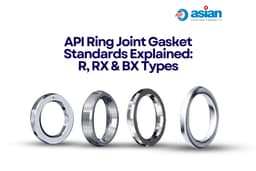
An API Ring Joint Gasket, commonly known as an RTJ gasket, is a precision-machined metallic sealing ring designed for high-pressure and high-temperature applications. These gaskets are primarily used with API flanges and are widely adopted in industries such as:
- Oil and Gas
- Petrochemicals
- Refineries
- Offshore Platforms
- Power Plants
- Chemical Processing Industries
RTJ gaskets create a metal-to-metal seal between flanges. When the flange bolts are tightened, the gasket deforms slightly into the flange grooves, creating a highly reliable leak-proof seal.
For a deeper look at how these ring gasket types differ in design and application beyond the API framework, refer to this complete ring gasket guide.
Understanding API Standards for RTJ Gaskets
The American Petroleum Institute (API) establishes standards for equipment used in the petroleum and natural gas industries. RTJ gaskets are manufactured according to standards such as:
- API 6A
- ASME B16.20
- ASME B16.5
- API 17D
These standards define:
- Gasket dimensions
- Tolerances
- Groove compatibility
- Pressure ratings
- Material specifications
- Testing requirements
Following API standards ensures gasket interchangeability, safety, and performance consistency across industrial systems.
Why API Ring Joint Gaskets are Important ?
Industrial systems operating under high pressure require robust sealing solutions. API ring joint gaskets provide several benefits:
1. Superior Leak Prevention
RTJ gaskets offer a tight metal-to-metal seal, minimizing the risk of leaks in critical applications.
2. High Pressure Resistance
These gaskets can withstand extremely high pressure levels found in oil drilling and refinery systems.
3. Temperature Resistance
API ring joint gaskets perform reliably under both high and low temperature conditions.
4. Chemical Compatibility
Metallic gasket materials resist corrosion and chemical attack in harsh industrial environments.
5. Long Service Life
Their durable metallic construction reduces maintenance frequency and replacement costs.
Types of API Ring Joint Gaskets
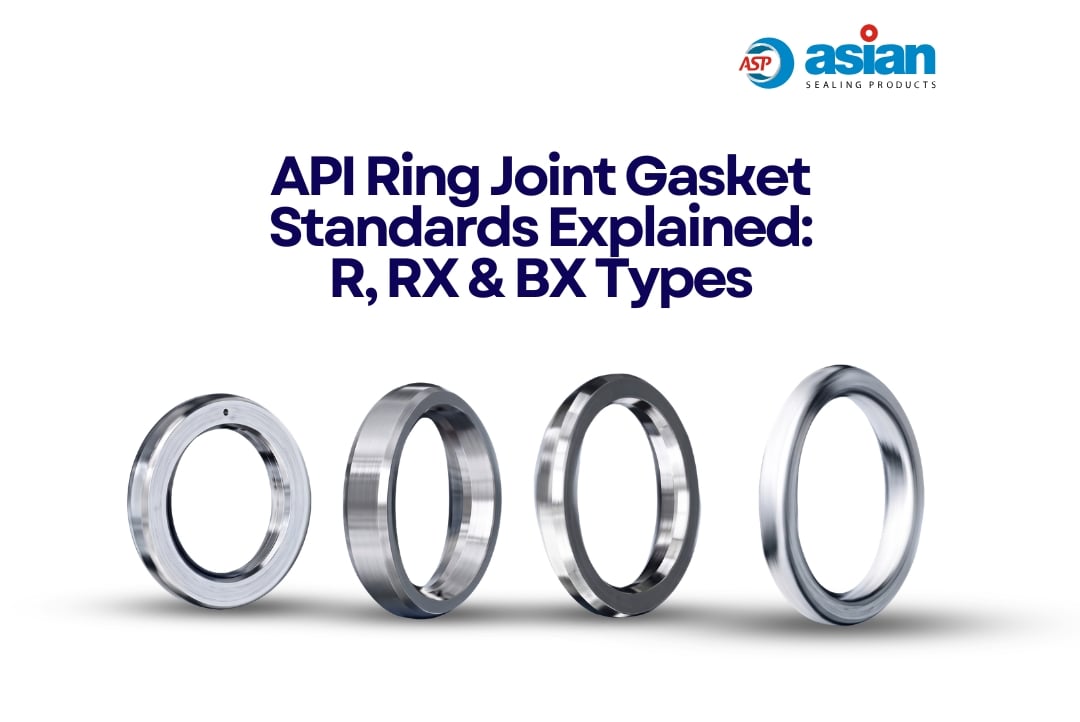
The three primary API RTJ gasket types are:
- R Type Ring Joint Gasket
- RX Type Ring Joint Gasket
- BX Type Ring Joint Gasket
Each type is designed for specific pressure classes and sealing requirements.
R Type Ring Joint Gasket
What is an R-Type RTJ Gasket?
The R-type ring joint gasket is the most widely used RTJ gasket style. It is available in two cross-sectional shapes:
- Oval
- Octagonal
These gaskets are designed according to ASME B16.20 and are compatible with standard RTJ flange grooves.
Features of R-Type RTJ Gaskets
Oval and Octagonal Designs
- Oval rings are older designs and suitable for legacy flange systems.
- Octagonal rings provide improved sealing efficiency due to their larger sealing surface.
Pressure Handling
R type gaskets are commonly used for pressure ratings ranging from:
- Class 150
- Class 300
- Class 600
- Class 900
- Class 1500
- Class 2500
Reliable Metal-to-Metal Seal
The gasket deforms under bolt load, creating a strong sealing connection.
Applications of R-Type RTJ Gaskets
R-type ring joint gaskets are widely used in:
- Refinery pipelines
- Oilfield equipment
- Valves
- Pressure vessels
- Drilling systems
- Petrochemical plants
Advantages of R-Type RTJ Gaskets
Excellent Sealing Performance
The metallic seal ensures minimal leakage under pressure.
Cost-Effective
R-type gaskets are generally more economical than RX and BX types.
Easy Availability
Widely available in multiple sizes and materials.
Versatile Applications
Suitable for various industrial piping systems.
RX Type Ring Joint Gasket
What is an RX Type RTJ Gasket?
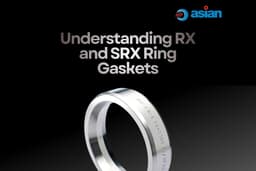
The RX-type ring joint gasket is an improved version of the standard R-type gasket. It is designed specifically for higher-pressure applications.
RX gaskets are interchangeable with R-type grooves but offer enhanced sealing efficiency.
Features of RX Type RTJ Gaskets
Pressure Energized Design
The RX gasket uses system pressure to improve sealing performance.
Higher Sealing Efficiency
Compared to standard R gaskets, RX types provide better leak resistance.
Interchangeability
RX gaskets fit into the same flange grooves as R-type gaskets.
Self-Energizing Action
Internal pressure enhances gasket sealing capability.
Applications of RX Type Gaskets
RX gaskets are commonly used in:
- Offshore drilling platforms
- High-pressure pipelines
- Oil exploration systems
- Refinery equipment
- Subsea applications
Advantages of RX Type Gaskets
Improved Leak Prevention
The pressure-energized design enhances sealing reliability.
Suitable for Extreme Pressure
Designed for critical high-pressure environments.
Reduced Maintenance
Better sealing reduces the need for frequent inspections.
Enhanced Operational Safety
Minimizes leakage risks in hazardous systems.
BX Type Ring Joint Gasket
What is a BX Type RTJ Gasket?
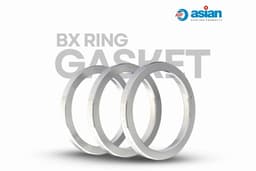
The BX-type ring joint gasket is designed for extremely high-pressure applications, primarily under API 6BX flange systems.
Unlike R and RX types, BX gaskets are not interchangeable with standard RTJ grooves.
Features of BX Type RTJ Gaskets
High Pressure Capability
BX gaskets are designed for pressure ratings up to:
- 20,000 PSI
Special Groove Design
BX flanges and gaskets use a unique groove geometry.
Pressure Activated Sealing
System pressure further improves gasket sealing.
Metal-to-Metal Contact
BX gaskets provide direct metal sealing between flange faces.
Applications of BX Type Gaskets
BX ring joint gaskets are used in:
- Deep drilling systems
- High-pressure wellheads
- Blowout preventers
- Offshore oil rigs
- Subsea drilling equipment
Advantages of BX Type RTJ Gaskets
Exceptional Pressure Resistance
Suitable for ultra-high-pressure operations.
Superior Safety
Reduces failure risks in critical drilling systems.
High Durability
Engineered for harsh operating environments.
Reliable Long-Term Performance
Maintains sealing integrity under severe operating conditions.
Difference Between R, RX and BX Ring Joint Gaskets
| Feature | R Type | RX Type | BX Type |
|---|---|---|---|
| Pressure Rating | Moderate to High | High | Extremely High |
| Groove Compatibility | Standard RTJ | Standard RTJ | API 6BX Only |
| Pressure Energized | No | Yes | Yes |
| Interchangeability | Standard | Interchangeable with R | Not interchangeable |
| Sealing Efficiency | Good | Better | Best |
| Typical Applications | Pipelines & Refineries | Offshore & High Pressure | Extreme Pressure Drilling |
Materials Used in API RTJ Gaskets
The material selection of RTJ gaskets depends on pressure, temperature, and chemical exposure.
Common materials include:
Stainless Steel
- Corrosion resistant
- Widely used in refineries
Soft Iron
- Good sealing properties
- Suitable for mild service conditions
Inconel
- Excellent for high-temperature applications
Monel
- Superior corrosion resistance in marine environments
Carbon Steel
- Economical solution for standard industrial applications
How to Select the Right RTJ Gasket ?
Choosing the correct gasket is essential for operational safety and efficiency.
Consider Pressure Rating
Higher-pressure systems may require RX or BX-type gaskets.
Evaluate Temperature Conditions
Choose materials capable of handling system temperatures.
Check Chemical Compatibility
Corrosive environments require corrosion-resistant alloys.
Match Flange Design
Ensure gasket compatibility with flange groove specifications.
Follow API Standards
Always select gaskets compliant with API and ASME standards.
Common Industries Using RTJ Gaskets
Oil & Gas Industry
Used in drilling, pipelines, and offshore operations.
Petrochemical Plants
Ideal for high-temperature and high-pressure processing systems.
Power Generation
Used in steam and pressure systems.
Chemical Industries
Suitable for corrosive chemical transport systems.
Marine & Offshore Applications
Reliable sealing in harsh offshore environments.
Installation Best Practices for RTJ Gaskets
Proper installation is essential for achieving optimal sealing performance.
Inspect Flange Grooves
Ensure grooves are clean and free from damage.
Use Correct Torque Values
Follow manufacturer torque recommendations.
Avoid Reusing Gaskets
Metallic RTJ gaskets should typically not be reused.
Verify Alignment
Proper flange alignment prevents uneven loading.
Use Compatible Materials
Ensure gasket and flange materials are suitable for the operating environment.
Common Causes of RTJ Gasket Failure
Understanding failure causes helps improve operational reliability.
Improper Installation
Incorrect torque can lead to leakage.
Material Incompatibility
Wrong material selection may result in corrosion.
Excessive Pressure
Operating beyond pressure limits can damage gaskets.
Flange Damage
Damaged grooves affect sealing performance.
Thermal Cycling
Repeated temperature fluctuations can weaken sealing integrity.
Future Trends in RTJ Gasket Technology
The gasket industry continues to evolve with advancements in materials and manufacturing.
Advanced Alloys
Improved corrosion and temperature resistance.
Precision CNC Machining
Enhances dimensional accuracy and sealing performance.
Smart Monitoring Systems
Leak detection and predictive maintenance technologies are emerging.
Eco-Friendly Manufacturing
Industries are focusing on sustainable gasket production methods.
Why Businesses Prefer API Standard RTJ Gaskets ?
Businesses across industries prefer API-compliant RTJ gaskets because they offer:
- Reliable sealing performance
- Improved operational safety
- Reduced downtime
- Compliance with industry regulations
- Long-term durability
- High-pressure resistance
- Lower maintenance costs
For industries handling hazardous fluids and gases, investing in high-quality RTJ gaskets is essential for maintaining operational integrity.
Conclusion
API ring joint gaskets play a vital role in maintaining leak-proof performance in high-pressure industrial systems. Understanding the differences between R, RX, and BX gasket types helps engineers, procurement teams, and maintenance professionals select the right sealing solution for their applications.
- R-type gaskets are ideal for standard high-pressure systems.
- RX gaskets provide enhanced pressure-energized sealing.
- BX gaskets are designed for ultra-high-pressure API 6BX flange systems.
By selecting the right gasket type, material, and installation method, businesses can improve operational efficiency, reduce maintenance costs, and ensure long-term industrial safety.
As industries continue to demand safer and more efficient sealing technologies, API-standard RTJ gaskets will remain an essential component in critical piping and pressure systems worldwide.