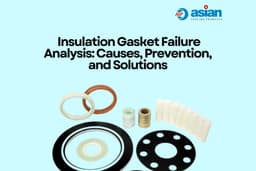



In industrial piping systems, flange insulation kits and insulation gaskets play a crucial role in preventing galvanic corrosion, controlling electrical currents, improving safety, and maintaining the integrity of pipeline networks. Industries such as oil and gas, petrochemicals, power generation, water treatment, offshore platforms, and chemical processing rely heavily on properly installed insulation gaskets to ensure long-term operational reliability.
However, even the highest-quality insulation gasket can fail if it is installed incorrectly. Many gasket failures are not caused by manufacturing defects but by installation errors that compromise sealing performance and reduce service life. A poorly installed insulation gasket can lead to leakage, corrosion, flange damage, costly downtime, environmental concerns, and safety risks.
Understanding the most common installation mistakes can help maintenance teams, engineers, contractors, and plant operators achieve optimal sealing performance while maximizing the lifespan of their flange insulation systems.
This guide discusses the seven most common mistakes to avoid when installing insulation gaskets and provides practical recommendations to ensure reliable and leak-free operation.
Understanding Insulation Gaskets
Before discussing installation mistakes, it is important to understand what insulation gaskets are and why they are used.
Insulation gaskets are specialized sealing components designed to electrically isolate flanges while providing an effective seal against liquids and gases. They are commonly used in conjunction with insulating sleeves, washers, and steel backup washers to form a complete flange insulation kit.
The primary objectives of insulation gaskets include:
- Preventing galvanic corrosion
- Reducing stray electrical currents
- Protecting pipeline assets
- Improving operational safety
- Maintaining sealing integrity
- Extending equipment lifespan
Because insulation gaskets perform both sealing and electrical isolation functions, correct installation becomes even more critical than with conventional gaskets.
Why Proper Installation Matters ?
Many industrial facilities invest significant resources in premium insulation gasket materials but overlook proper installation procedures.
Incorrect installation can result in:
- Premature gasket failure
- Electrical isolation loss
- Product leakage
- Increased maintenance costs
- Pipeline corrosion
- Equipment damage
- Production interruptions
A properly installed insulation gasket helps maintain operational efficiency, reduces maintenance expenses, and enhances overall system reliability.
List of 7 Common Mistakes to Avoid When Installing Insulation Gaskets
Mistake #1: Failing to Inspect Flange Surfaces Before Installation
One of the most common causes of insulation gasket failure is installing the gasket on damaged or contaminated flange surfaces.
Many technicians rush the installation process without thoroughly examining the flange faces. Even small imperfections can significantly affect sealing performance.
Common Flange Surface Problems
- Rust and corrosion
- Dirt accumulation
- Old gasket residue
- Scratches and grooves
- Weld splatter
- Surface distortion
When these defects remain untreated, the insulation gasket may not compress evenly, creating leak paths.
How to Avoid This Mistake
Before installation:
- Clean flange faces thoroughly.
- Remove old gasket material completely.
- Inspect for corrosion and pitting.
- Repair damaged surfaces if necessary.
- Verify flange face finish requirements.
A clean and smooth flange surface provides the ideal foundation for effective gasket sealing.
Mistake #2: Choosing the Wrong Insulation Gasket Material
Not all insulation gaskets are suitable for every application.
Selecting an inappropriate gasket material can result in chemical attack, thermal degradation, or sealing failure.
Factors Affecting Material Selection
Operating Temperature
High temperatures may exceed the capabilities of certain insulation materials.
Pressure Conditions
Different pressure classes require specific gasket constructions.
Chemical Compatibility
The process fluid must be compatible with the gasket material.
Environmental Conditions
Exposure to moisture, UV radiation, and corrosive environments can affect gasket performance.
Common Insulation Gasket Materials
G10 Epoxy Glass
- Excellent electrical insulation
- High mechanical strength
- Suitable for many industrial applications
G11 Epoxy Glass
- Enhanced temperature resistance
- Ideal for demanding environments
Phenolic Materials
- Good insulating properties
- Cost-effective solution
GRE Materials
- Excellent corrosion resistance
- Commonly used in offshore environments
Best Practice
Always consult technical specifications and operating conditions before selecting an insulation gasket material.
Mistake #3: Using Incorrect Bolt Tightening Procedures
Improper bolt tightening is one of the leading causes of gasket leakage.
Many installers assume that tightening bolts as much as possible will improve sealing performance. In reality, excessive or uneven tightening can damage both the gasket and flange.
Common Tightening Errors
- Over-tightening
- Under-tightening
- Uneven bolt loading
- Random tightening sequence
- Ignoring torque specifications
These errors can cause uneven gasket compression and compromise insulation performance.
Recommended Tightening Procedure
Use a cross-pattern tightening sequence:
- Hand-tighten all bolts.
- Apply 30% of required torque.
- Apply 60% of required torque.
- Apply 100% of required torque.
- Perform a final verification pass.
This method ensures uniform compression across the gasket surface.
Mistake #4: Reusing Old Insulation Gaskets
Attempting to save costs by reusing insulation gaskets often results in greater expenses later.
Once compressed, an insulation gasket undergoes permanent deformation. Reinstallation may not provide the same sealing performance.
Risks of Reusing Gaskets
- Reduced sealing capability
- Uneven compression
- Leakage risk
- Loss of electrical isolation
- Unexpected shutdowns
Even if the gasket appears undamaged, its sealing characteristics may have already deteriorated.
Best Practice
Always install a new insulation gasket whenever a flange connection is opened.
The cost of a new gasket is insignificant compared to the potential consequences of failure.
Mistake #5: Ignoring Alignment Issues
Misaligned flanges place unnecessary stress on insulation gaskets.
In many industrial facilities, installers attempt to force flanges into alignment using bolt tension. This practice can severely affect gasket performance.
Problems Caused by Misalignment
Uneven Compression
The gasket may compress more on one side than the other.
Mechanical Stress
Additional stress can cause gasket deformation.
Reduced Service Life
Premature failure becomes more likely.
Leakage
Poor sealing performance often develops over time.
How to Prevent Alignment Problems
- Verify flange alignment before installation.
- Use proper alignment tools.
- Correct piping support issues.
- Avoid forcing flanges together with bolts.
Proper alignment ensures even gasket loading and long-term sealing reliability.
Mistake #6: Installing the Gasket Incorrectly
Even experienced technicians occasionally install insulation gaskets incorrectly.
Some gasket designs have specific installation orientations or require accompanying insulation components.
Common Installation Errors
- Incorrect gasket orientation
- Missing insulating sleeves
- Missing insulating washers
- Improper centering
- Using damaged components
These mistakes can compromise both sealing and electrical isolation.
Installation Checklist
Before tightening bolts, verify:
✓ Gasket is centered correctly
✓ Sleeves are installed properly
✓ Insulating washers are positioned correctly
✓ Steel backup washers are included where required
✓ All components match the flange specification
A thorough inspection before tightening can prevent costly failures later.
Mistake #7: Skipping Post-Installation Inspection
Many organizations consider the job complete once the bolts are tightened.
However, post-installation inspection is essential for confirming gasket performance and electrical isolation.
Important Inspection Activities
Leak Testing
Conduct pressure testing according to applicable standards.
Electrical Isolation Testing
Verify insulation resistance values.
Torque Verification
Confirm bolt torque remains within specifications.
Visual Inspection
Check for signs of gasket displacement or flange distortion.
Benefits of Post-Installation Verification
- Early detection of issues
- Improved system reliability
- Enhanced safety
- Reduced maintenance costs
- Longer gasket lifespan
Routine inspection ensures the insulation gasket performs as intended throughout its service life.
Additional Best Practices for Installing Insulation Gaskets
Beyond avoiding common mistakes, implementing industry best practices can further improve performance.
Store Gaskets Properly
Insulation gaskets should be stored in:
- Dry environments
- Temperature-controlled areas
- Original packaging
- Clean storage facilities
Improper storage can degrade gasket materials before installation.
Follow Manufacturer Guidelines
Every gasket manufacturer provides installation recommendations based on extensive testing.
Following these guidelines helps ensure optimal sealing performance.
Train Installation Personnel
Well-trained technicians are less likely to make costly installation mistakes.
Regular training programs can significantly improve reliability and safety.
Use Calibrated Tools
Torque wrenches and testing equipment should be calibrated regularly to ensure accurate measurements.
Industries That Depend on Proper Insulation Gasket Installation
Correct installation is particularly important in industries where failure can have significant consequences.
Oil and Gas
Pipeline systems require reliable electrical isolation and sealing performance.
Petrochemical Plants
Aggressive chemicals demand proper gasket selection and installation.
Power Generation
High-temperature and high-pressure systems depend on effective flange sealing.
Water Treatment Facilities
Corrosion prevention is essential for long-term infrastructure protection.
Offshore Platforms
Harsh marine environments require properly installed insulation kits to prevent corrosion-related failures.
Long-Term Benefits of Proper Insulation Gasket Installation
When installed correctly, insulation gaskets provide numerous operational advantages.
Enhanced Corrosion Protection
Electrical isolation reduces galvanic corrosion between dissimilar metals.
Reduced Maintenance Costs
Reliable sealing minimizes repair and replacement expenses.
Improved Safety
Leak-free systems protect personnel and equipment.
Extended Equipment Life
Proper isolation helps preserve critical pipeline assets.
Better Operational Efficiency
Reduced downtime improves productivity and profitability.
Conclusion
Insulation gaskets are critical components in modern industrial piping systems, providing both sealing performance and electrical isolation. While selecting a high-quality gasket is important, proper installation ultimately determines its effectiveness and longevity.
Avoiding the seven common mistakes discussed in this guide can significantly improve system reliability:
- Failing to inspect flange surfaces
- Choosing the wrong gasket material
- Using incorrect bolt tightening procedures
- Reusing old insulation gaskets
- Ignoring flange alignment issues
- Installing the gasket incorrectly
- Skipping post-installation inspections
By following proper installation practices, businesses can reduce leakage risks, prevent corrosion, improve safety, lower maintenance costs, and maximize the lifespan of their insulation gasket systems.
For industries operating in demanding environments, investing time in correct insulation gasket installation is a small effort that delivers substantial long-term returns.
FAQs
An insulation gasket provides both sealing and electrical isolation between flange connections, helping prevent galvanic corrosion and stray current damage in industrial piping systems.
No. Insulation gaskets should not be reused because compression and operational stress can permanently affect their sealing and insulating performance.
Contaminated or damaged flange surfaces can create leak paths, cause uneven gasket compression, and reduce overall sealing effectiveness.
Correct bolt torque ensures uniform gasket compression, prevents leakage, and helps maintain the electrical isolation properties of the insulation kit.
Industries such as oil and gas, petrochemical processing, power generation, water treatment, marine, and offshore operations frequently use insulation gaskets to protect pipelines and equipment.