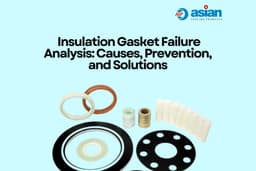



Spiral wound gaskets are among the most widely used sealing solutions in industries such as oil and gas, petrochemicals, power generation, marine engineering, water treatment, chemical processing, and manufacturing. Their ability to withstand high pressure, elevated temperatures, thermal cycling, and aggressive media makes them the preferred choice for critical flange connections.
However, even the highest-quality spiral wound gasket can fail prematurely if it is installed incorrectly. In many industrial facilities, gasket failures are not caused by product defects but by installation errors, improper flange preparation, incorrect bolt loading, or unsuitable handling practices.
A leaking flange connection can lead to costly downtime, safety risks, environmental concerns, product loss, and expensive maintenance work. Understanding common installation mistakes can help maintenance teams, plant operators, engineers, and procurement professionals improve sealing performance and maximize gasket life.
This guide explores the seven most common mistakes when installing spiral wound gaskets and explains how to avoid them for safer, more reliable, and leak-free operations.
Understanding Spiral Wound Gaskets
Before discussing installation errors, it is important to understand how spiral wound gaskets work.
A spiral wound gasket consists of alternating layers of metal winding and soft filler material. The metallic winding provides strength and resilience, while the filler material creates an effective seal against process media.
Common materials include:
- Stainless Steel 304
- Stainless Steel 316
- Carbon Steel
- Monel
- Inconel
- Graphite Filler
- PTFE Filler
- Mica Filler
These gaskets are commonly installed in:
- Raised Face Flanges
- Flat Face Flanges
- Heat Exchangers
- Pressure Vessels
- Pipelines
- Boilers
- Valves
- Pumps
Their performance depends heavily on proper installation practices.
Why Proper Installation Matters ?
Even premium-quality spiral wound gaskets can experience leakage if installation procedures are ignored.
Incorrect installation may cause:
- Process fluid leakage
- Flange damage
- Reduced gasket life
- Safety hazards
- Equipment failure
- Production interruptions
- Increased maintenance costs
A properly installed gasket ensures:
- Reliable sealing
- Longer service life
- Improved equipment performance
- Lower operating costs
- Better workplace safety
Now let’s examine the most common installation mistakes.
List of 7 Common Mistakes When Installing Spiral Wound Gaskets
Mistake #1: Using the Wrong Gasket Size
One of the most frequent installation problems is selecting an incorrect gasket size.
Many maintenance personnel assume that similar flange sizes require the same gasket dimensions. However, differences in pressure class, flange standards, and flange facing can significantly affect gasket sizing requirements.
Problems Caused by Incorrect Sizing
When the gasket is too small:
- Sealing area becomes insufficient
- Internal leakage may occur
- Blowout risk increases
When the gasket is too large:
- Improper seating occurs
- Uneven compression develops
- Outer ring interference may happen
How to Avoid This Mistake
Always verify:
- Flange standard
- Pressure rating
- Nominal pipe size
- Gasket dimensions
- Outer ring dimensions
- Inner ring requirements
Using manufacturer specifications ensures accurate gasket selection and proper sealing performance.
Mistake #2: Installing on Damaged or Dirty Flange Surfaces
A spiral wound gasket can only seal effectively when the flange surface condition is suitable.
Many gasket failures occur because installers overlook flange cleanliness and surface condition.
Common Flange Problems
- Corrosion
- Scratches
- Pitting
- Dents
- Rust deposits
- Old gasket residue
- Weld spatter
- Dirt accumulation
Even small imperfections can create leakage paths.
Consequences
Damaged flange surfaces can result in:
- Uneven gasket compression
- Loss of sealing integrity
- Localized leakage
- Premature gasket failure
Best Practices
Before installation:
- Remove old gasket material completely
- Clean flange faces thoroughly
- Inspect for corrosion
- Check surface finish
- Repair damaged flange surfaces if necessary
A clean and smooth flange surface significantly improves sealing reliability.
Mistake #3: Reusing Old Spiral Wound Gaskets
Some facilities attempt to reduce costs by reusing previously installed gaskets.
This practice is strongly discouraged.
Why Reusing Gaskets Is Dangerous
During operation, spiral wound gaskets undergo:
- Compression
- Thermal expansion
- Pressure cycling
- Mechanical stress
Once compressed, the gasket loses its original recovery characteristics.
Risks of Reuse
Reused gaskets may cause:
- Leakage
- Blowouts
- Reduced sealing performance
- Unexpected shutdowns
Even if a used gasket appears visually acceptable, its sealing properties may already be compromised.
Recommended Practice
Always install a new gasket whenever:
- Flanges are opened
- Equipment is serviced
- Maintenance work is performed
The cost of a new gasket is insignificant compared to the cost of a plant shutdown.
Mistake #4: Incorrect Bolt Tightening Procedures
Proper bolt loading is essential for spiral wound gasket performance.
One of the biggest installation mistakes is uneven or improper bolt tightening.
Common Tightening Errors
- Tightening bolts randomly
- Over-tightening
- Under-tightening
- Skipping tightening stages
- Uneven bolt loading
Problems Caused
Improper tightening can lead to:
- Gasket crushing
- Uneven compression
- Leakage
- Flange distortion
- Reduced gasket life
Proper Tightening Method
Follow a star-pattern sequence.
Use multiple torque stages such as:
- 30% of final torque
- 60% of final torque
- 100% of final torque
Finish with a circular verification pass.
This method ensures uniform gasket compression across the flange face.
Mistake #5: Choosing the Wrong Gasket Material
Not all spiral wound gaskets are suitable for every application.
Selecting the wrong metal winding or filler material can cause sealing failures even when installation is perfect.
Common Material Selection Errors
Using:
- Graphite where oxidation risk is high
- PTFE above its temperature limit
- Carbon steel in corrosive environments
- Incompatible alloys for chemical service
Factors to Consider
Always evaluate:
Operating Temperature
Different filler materials have different temperature limitations.
Pressure Conditions
Pressure class influences material selection.
Chemical Compatibility
The gasket material must resist process chemicals.
Environmental Conditions
Corrosive environments may require specialized alloys.
Benefits of Correct Material Selection
- Extended gasket life
- Improved safety
- Reduced maintenance
- Better process reliability
Mistake #6: Mishandling the Gasket During Storage and Installation
Spiral wound gaskets are precision-engineered sealing components.
Improper handling before installation can damage the gasket and compromise sealing performance.
Common Handling Mistakes
- Bending the gasket
- Dropping the gasket
- Storing in humid conditions
- Stacking heavy objects on gaskets
- Improper transportation
Potential Damage
These actions can cause:
- Distorted windings
- Damaged filler material
- Ring deformation
- Reduced sealing capability
Storage Recommendations
Store gaskets:
- Flat and level
- Indoors
- Away from moisture
- Away from direct sunlight
- In original packaging whenever possible
Proper handling preserves gasket integrity and improves installation success.
Mistake #7: Ignoring Operating Conditions and System Requirements
Some installers focus solely on flange dimensions while ignoring actual operating conditions.
This oversight often leads to premature gasket failure.
Critical Parameters to Consider
Temperature Fluctuations
Thermal cycling can affect gasket recovery.
Pressure Variations
Pressure surges may require specialized gasket designs.
Vibration
Pumps and compressors generate vibration that impacts sealing performance.
Media Characteristics
Chemical composition influences filler and winding selection.
Consequences of Ignoring System Conditions
- Leakage
- Reduced gasket life
- Frequent maintenance
- Equipment damage
Recommended Approach
Conduct a complete operating-condition assessment before selecting and installing any gasket.
This ensures the gasket is suitable for the application throughout its service life.
Additional Best Practices for Successful Spiral Wound Gasket Installation
Beyond avoiding common mistakes, consider the following recommendations:
Verify Flange Alignment
Misaligned flanges create uneven gasket loading and increase leakage risk.
Use Calibrated Torque Tools
Accurate torque application ensures consistent compression.
Follow Manufacturer Guidelines
Always refer to installation recommendations provided by the gasket manufacturer.
Train Maintenance Personnel
Proper training reduces human error and improves sealing reliability.
Perform Routine Inspections
Regular inspections help identify issues before they become major failures.
Industries That Benefit Most from Proper Gasket Installation
Correct installation practices are essential in industries such as:
Oil and Gas
High-pressure pipelines demand reliable sealing to prevent hazardous leaks.
Petrochemical Plants
Aggressive chemicals require precise gasket installation.
Power Generation
Steam systems operate under extreme temperature and pressure conditions.
Refineries
Continuous operations require long-lasting sealing performance.
Water Treatment Facilities
Reliable sealing prevents contamination and operational disruptions.
Marine Applications
Corrosion resistance and proper installation are critical for offshore operations.
The Cost of Poor Installation
Many companies focus on purchasing high-quality gaskets but underestimate installation quality.
Poor installation can result in:
- Product loss
- Environmental penalties
- Equipment damage
- Unplanned shutdowns
- Higher maintenance expenses
- Worker safety risks
The financial impact of a single gasket failure can far exceed the cost of implementing proper installation procedures.
Future Trends in Industrial Gasket Installation
As industrial systems become more sophisticated, gasket installation practices continue to evolve.
Emerging trends include:
- Digital torque monitoring
- Smart maintenance systems
- Predictive leak detection
- Advanced flange management software
- Improved gasket materials
- Enhanced installation training programs
Organizations that adopt modern sealing practices can achieve greater operational efficiency and reliability.
Conclusion
Spiral wound gaskets remain one of the most trusted sealing solutions for high-pressure and high-temperature applications. However, their performance depends heavily on correct installation practices.
The seven most common mistakes include:
- Using the wrong gasket size
- Installing on damaged flange surfaces
- Reusing old gaskets
- Incorrect bolt tightening
- Selecting unsuitable materials
- Mishandling during storage and installation
- Ignoring operating conditions
By avoiding these errors and following industry best practices, businesses can significantly improve sealing performance, reduce maintenance costs, enhance safety, and maximize equipment reliability.
Investing in proper gasket installation procedures is not simply a maintenance decision—it is a strategic step toward improving plant efficiency, protecting valuable assets, and ensuring long-term operational success.
FAQs
No. Spiral wound gaskets are designed for single-use applications. Reusing them can lead to leakage, reduced sealing performance, and increased operational risk.
Improper bolt tightening and damaged flange surfaces are among the most common causes of gasket failure in industrial systems.
Graphite-filled spiral wound gaskets are commonly used in high-temperature applications due to their excellent thermal resistance and sealing performance.
Inspection frequency depends on operating conditions, but routine maintenance checks should be conducted regularly to identify wear, corrosion, or leakage risks.
Yes. Spiral wound gaskets are specifically designed to handle high-pressure and high-temperature environments, making them ideal for critical industrial piping systems.
A clean and undamaged flange surface ensures uniform gasket compression and prevents leakage paths that can compromise sealing effectiveness.