


In industrial piping systems, flanged connections play a critical role in ensuring safe and efficient fluid transfer. One of the most important components used in these connections is the gasket. It is a sealing element placed between two flange faces to prevent leakage of gases or liquids under pressure.
However, not all gaskets are the same. In industrial applications, two commonly used types are standard gaskets and insulation gaskets. While they may look similar at first glance, their functions, materials and performance capabilities are significantly different.
Understanding the difference between an insulation gasket and a standard gasket is essential for engineers, maintenance professionals, procurement managers, and plant operators. Choosing the wrong gasket can lead to system inefficiencies, corrosion issues, energy loss, or even catastrophic failures.
This detailed guide explains everything you need to know about insulation gaskets vs standard gaskets, their working principles, applications, advantages, and how to choose the right one for your industrial needs.
What is a Standard Gasket?
A standard gasket is a mechanical sealing component used between two flange surfaces to prevent leakage. It is primarily designed to provide a tight seal under pressure and temperature conditions.
Key Purpose of Standard Gaskets
- Prevent leakage of fluids or gases
- Maintain pressure integrity in pipelines
- Provide mechanical sealing between flange faces
Common Materials Used
Standard gaskets are typically made from:
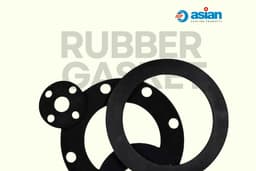
- Rubber (NBR, EPDM, Neoprene)
- Graphite
- PTFE (Teflon)
- Asbestos-free fiber materials
- Spiral wound stainless steel combinations
Applications of Standard Gaskets
- Water pipelines
- HVAC systems
- Low-pressure steam lines
- General industrial equipment
- Oil and lubricant systems (non-critical isolation)
Standard gaskets are widely used due to their affordability and versatility. However, they are not designed to handle electrical isolation or prevent galvanic corrosion.
What is an Insulation Gasket?
An insulation gasket is a specialized gasket designed not only to provide sealing but also to electrically isolate flange connections. It prevents the flow of electrical current between connected metal flanges, which helps reduce corrosion.
Key Purpose of Insulation Gaskets
- Provide leak-free sealing
- Electrically isolate flange joints
- Prevent galvanic corrosion
- Improve pipeline lifespan
Components of Insulation Gasket Kits
A complete insulation gasket kit usually includes:
- Insulating gasket (non-conductive material)
- Insulating sleeves
- Steel washers
- Phenolic or epoxy-coated materials
- O-rings or sealing rings (in some designs)
Common Materials Used
- Phenolic resin
- G10 / G11 fiberglass epoxy laminate
- PTFE (for chemical resistance)
- Neoprene sealing elements
Applications of Insulation Gaskets
- Oil & gas pipelines
- Offshore platforms
- Petrochemical plants
- Water treatment systems
- Power generation plants
- Corrosion-prone environments
Insulation gaskets are critical in systems where electrical isolation and corrosion control are as important as sealing performance.
Check the complete Insulation Gasket guide.
Insulation Gasket vs Standard Gasket: Key Differences
Understanding the differences helps in selecting the right solution for industrial applications.
1. Functionality Difference
Standard Gasket
A standard gasket only provides a mechanical seal between two flange surfaces. Its job is limited to preventing leakage.
Insulation Gasket
An insulation gasket performs a dual function:
- Sealing the joint
- Electrically isolating flange connections
👉 This makes insulation gaskets more advanced and suitable for sensitive industrial systems.
2. Electrical Isolation Capability
Standard Gasket
- Does NOT provide electrical isolation
- Allows current flow between flanges
- Can contribute to galvanic corrosion
Insulation Gasket
- Fully prevents electrical conductivity
- Breaks electrical continuity between flange joints
- Protects pipeline from electrochemical corrosion
👉 This is one of the most important distinctions in industrial engineering.
3. Corrosion Protection
Standard Gasket
- No corrosion protection
- Metal-to-metal contact can lead to galvanic corrosion over time
- Suitable only for non-corrosive environments
Insulation Gasket
- Designed specifically to prevent corrosion
- Eliminates electrochemical reaction between dissimilar metals
- Extends pipeline and equipment lifespan significantly
4. Material Composition
Standard Gasket Materials
- Rubber
- Graphite
- PTFE
- Metal-reinforced composites
Insulation Gasket Materials
- G10 / G11 fiberglass epoxy
- Phenolic resin
- PTFE layers
- Insulating sleeves and washers
👉 Insulation gaskets use non-conductive, high-strength materials.
5. Pressure and Temperature Handling
Standard Gasket
- Suitable for low to medium pressure systems
- Temperature resistance depends on material type
- Not ideal for extreme industrial environments
Insulation Gasket
- Designed for high-pressure systems
- Performs well in aggressive chemical and thermal environments
- Maintains integrity under demanding conditions
6. Complexity of Installation
Standard Gasket
- Simple installation
- Requires basic alignment and tightening
Insulation Gasket
- More complex installation
- Includes multiple components (sleeves, washers, gasket rings)
- Requires trained technicians for correct fitting
7. Cost Comparison
Standard Gasket
- Low cost
- Economical for general applications
Insulation Gasket
- Higher initial cost
- Cost-effective in long-term due to reduced corrosion and maintenance
👉 While insulation gaskets are more expensive initially, they reduce long-term operational costs significantly.
8. Applications and Use Cases
Standard Gasket Applications
- Water pipelines
- Air systems
- Low-risk industrial systems
- General machinery sealing
Insulation Gasket Applications
- Oil and gas pipelines
- Offshore drilling platforms
- Chemical processing units
- Power plants
- Marine environments
👉 Insulation gaskets are essential where safety and corrosion prevention are critical.
9. Maintenance Requirements
Standard Gasket
- Requires frequent inspection in harsh environments
- May need regular replacement due to wear or leakage
Insulation Gasket
- Lower maintenance frequency
- Longer service life due to corrosion resistance
- Better long-term reliability
10. Safety and System Integrity
Standard Gasket
- Provides basic sealing safety
- Does not address electrical or corrosion risks
Insulation Gasket
- Enhances overall system safety
- Reduces risk of pipeline failure due to corrosion
- Improves operational reliability in critical systems
Why Insulation Gaskets Are Becoming More Popular ?
Modern industries are shifting toward efficiency, safety, and long-term cost optimization. This is why insulation gaskets are increasingly preferred in high-value applications.
Key Reasons:
- Increasing focus on corrosion prevention
- Growth of oil & gas infrastructure
- Expansion of offshore energy projects
- Demand for longer-lasting pipeline systems
- Need for reduced maintenance downtime
Insulation gaskets are no longer optional in critical systems—they are becoming a standard engineering requirement.
When Should You Use a Standard Gasket?
A standard gasket is suitable when:
- The system is low pressure
- There is no risk of galvanic corrosion
- Electrical isolation is not required
- Budget constraints are a priority
- The application is non-critical
Examples include HVAC systems, water distribution pipelines, and general industrial machinery.
When Should You Use an Insulation Gasket?
You should choose insulation gaskets when:
- Pipelines involve dissimilar metals
- Corrosion prevention is critical
- Electrical isolation is required
- The system operates under high pressure or harsh conditions
- The application is in oil, gas, or chemical industries
Common Mistakes in Gasket Selection
Many industries face failures due to incorrect gasket selection. Avoid these mistakes:
- ❌ Using standard gaskets in corrosive environments
- ❌ Ignoring electrical isolation requirements
- ❌ Selecting based only on cost
- ❌ Overlooking temperature and pressure ratings
- ❌ Improper installation of insulation kits
Proper selection is essential for system safety and efficiency.
Industry Insight: Why Engineering Teams Prefer Insulation Gaskets
Engineering teams in modern industries prefer insulation gaskets because they:
- Reduce unexpected shutdowns
- Improve pipeline lifespan
- Prevent costly corrosion damage
- Enhance safety compliance
- Support long-term asset management strategies
In critical infrastructure, reliability is more important than initial cost savings.
Future Trends in Gasket Technology
The gasket industry is evolving rapidly with advancements in materials and engineering design.
Emerging Trends:
- Advanced composite insulation materials
- Smart monitoring gaskets with sensors
- High-performance PTFE blends
- Eco-friendly sealing solutions
- Improved corrosion-resistant coatings
These innovations are expected to make insulation gaskets even more efficient and widely adopted in the coming years.
Conclusion
The difference between an insulation gasket and a standard gasket goes far beyond material or cost—it lies in functionality, safety, and long-term performance.
A standard gasket is suitable for general sealing applications where electrical isolation and corrosion are not major concerns. However, an insulation gasket is engineered for advanced industrial systems where sealing, electrical isolation, and corrosion prevention are all critical.
For industries like oil & gas, petrochemicals, marine engineering, and power generation, insulation gaskets are not just an option—they are a necessity.
Choosing the right gasket ensures:
- Operational safety
- Reduced maintenance costs
- Longer equipment life
- Improved system efficiency
By understanding these key differences, engineers and procurement professionals can make smarter, more reliable decisions for their industrial systems.
FAQs
A standard gasket is mainly used to prevent leakage between flange connections, while an insulation gasket provides both sealing and electrical isolation. Insulation gaskets help prevent galvanic corrosion and improve pipeline safety in critical industrial environments.
Insulation gaskets are used to electrically isolate flange joints and reduce corrosion caused by electrochemical reactions. They are commonly used in oil & gas, petrochemical, marine, and power generation industries where pipeline reliability and safety are critical.
No, standard gaskets cannot prevent galvanic corrosion because they do not provide electrical isolation between metal flanges. In corrosive or high-risk environments, insulation gaskets are recommended to protect pipelines and extend equipment lifespan.
Insulation gaskets are commonly manufactured using non-conductive materials such as G10/G11 fiberglass epoxy, phenolic resin, PTFE, and neoprene sealing elements. These materials offer excellent electrical insulation, chemical resistance, and mechanical strength for industrial applications.
Standard gaskets are widely used in water pipelines, HVAC systems, air systems, low-pressure steam lines, and general industrial machinery. They are suitable for applications where electrical isolation and corrosion protection are not major requirements.
Yes, insulation gaskets are designed to perform efficiently in high-pressure and high-temperature industrial systems. They maintain sealing integrity while preventing electrical conductivity, making them ideal for demanding applications in oil, gas, and chemical industries.
Insulation gaskets are more expensive because they use advanced non-conductive materials and include additional components such as sleeves and washers. However, they reduce long-term maintenance costs by preventing corrosion and improving equipment reliability.
Insulation gasket kits reduce galvanic corrosion by electrically isolating connected metal flanges. This minimizes metal deterioration, reduces leakage risks, and improves the overall lifespan and operational efficiency of industrial pipelines and equipment.
Industries such as oil & gas, petrochemicals, offshore platforms, power plants, marine engineering, and water treatment facilities commonly use insulation gaskets due to their corrosion protection, electrical isolation, and high-performance sealing capabilities.
The choice depends on application requirements. Standard gaskets are suitable for basic sealing in non-critical systems, while insulation gaskets are preferred for corrosive, high-pressure, or electrically sensitive environments where long-term reliability and safety are important.