

In industrial piping systems, achieving a leak-proof seal is critical for maintaining operational safety, efficiency, and reliability. Industries such as oil and gas, petrochemicals, power generation, marine engineering, and refineries rely heavily on high-pressure sealing solutions to prevent leakage and ensure uninterrupted operations. Among the most trusted sealing products used in these demanding environments are Ring gaskets.
Proper installation of ring gaskets plays a major role in ensuring long-term sealing performance. Even a high-quality gasket can fail if installed incorrectly. From flange preparation to bolt tightening techniques, every step in the installation process matters.
This complete guide explains everything businesses and industrial professionals need to know about ring gasket installation, including gasket types, installation procedures, common mistakes, maintenance tips, and best practices for achieving optimal performance.
What is a Ring Gasket?
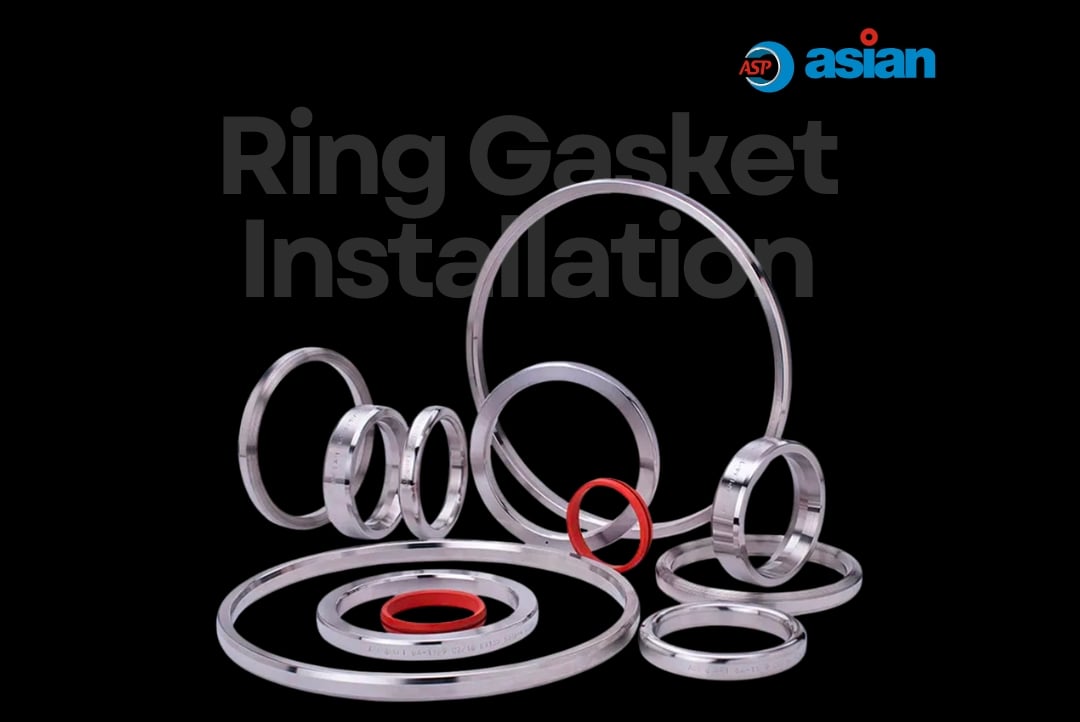
A ring gasket is a precision-engineered sealing component designed to fit between two flange connections in high-pressure and high-temperature applications. These gaskets create a tight metal-to-metal seal that prevents fluid or gas leakage.
Ring gaskets are commonly used in:
- Oil and gas pipelines
- Refineries
- Petrochemical plants
- Offshore drilling platforms
- Hydraulic systems
- Steam pipelines
- Power plants
Because of their durability and pressure resistance, ring gaskets are widely preferred for critical industrial applications.
Why Proper Ring Gasket Installation Matters ?
Installing a ring gasket correctly is essential because improper installation can lead to:
- Leakage
- Pressure loss
- Equipment damage
- Production downtime
- Safety hazards
- Environmental risks
- Increased maintenance costs
A properly installed ring gasket ensures:
- ✅ Maximum sealing efficiency
- ✅ Longer gasket lifespan
- ✅ Improved operational safety
- ✅ Reduced downtime
- ✅ Better pressure handling capability
- ✅ Compliance with industrial safety standards
For industries operating under extreme conditions, proper gasket installation is not optional — it is essential.
Types of Ring Gaskets
Before installation, it is important to understand the various types of ring gaskets available in the market.
1. Oval Ring Gaskets
Oval ring gaskets have an oval-shaped cross-section and are commonly used in older flange designs. They provide excellent sealing performance in high-pressure systems.
Advantages
- Reliable sealing
- Durable under pressure
- Easy compatibility with older flange systems
Applications
- Oilfield pipelines
- Refineries
- Pressure vessels
2. Octagonal Ring Gaskets
Octagonal ring gaskets feature an octagonal cross-section that provides a more efficient sealing surface than oval designs.
Advantages
- Higher sealing efficiency
- Better pressure resistance
- Improved contact stress
Applications
- High-pressure pipelines
- Petrochemical industries
- Offshore drilling systems
3. RX Ring Gaskets
RX ring gaskets are pressure-energized gaskets specifically designed for higher-pressure applications.
Advantages
- Enhanced sealing under pressure
- Greater resistance to vibration
- Suitable for API flanges
Applications
- Subsea systems
- High-pressure drilling equipment
- Critical pipeline systems
4. BX Ring Gaskets
BX ring gaskets are designed for extremely high-pressure applications and are typically used with API 6BX flanges.
Advantages
- Excellent pressure handling
- Superior metal-to-metal seal
- High reliability
Applications
- Offshore oil platforms
- High-pressure valves
- Extreme industrial environments
Materials Used in Ring Gaskets
The performance of a ring gasket largely depends on the material used in manufacturing.
Common Materials Include:
Soft Iron
- Economical
- Suitable for moderate pressure
Carbon Steel
- Strong and durable
- Good for industrial pipelines
Stainless Steel
- Corrosion resistant
- Ideal for chemical industries
Inconel
- Excellent heat resistance
- Suitable for extreme temperatures
Monel
- Resistant to seawater corrosion
- Used in marine applications
Duplex Stainless Steel
- High strength
- Excellent corrosion resistance
Selecting the right material improves sealing reliability and extends service life.
Tools Required for Ring Gasket Installation
Before beginning installation, ensure all required tools are available.
Essential Tools
- Torque wrench
- Cleaning brushes
- Lubricant
- Alignment tools
- Flange spreaders
- Safety gloves
- Protective eyewear
- Bolt tensioning equipment
Using proper tools reduces installation errors and improves safety.
Step-by-Step Ring Gasket Installation Process
Step 1: Inspect the Flanges
Before installing the gasket, inspect the flange surfaces carefully.
Check for:
- Scratches
- Corrosion
- Dirt or debris
- Surface damage
- Uneven surfaces
Damaged flange surfaces can compromise the sealing performance.
Best Practice
Clean the flange thoroughly using a wire brush or suitable cleaning solution.
Step 2: Verify the Gasket Size and Type
Always ensure the ring gasket matches:
- Flange specification
- Pressure rating
- Material compatibility
- Groove dimensions
Using the wrong gasket type may result in leakage or equipment damage.
Important Tip
Check API or ASME standards before installation.
Step 3: Clean the Ring Groove
The flange groove must be free from:
- Rust
- Dust
- Oil
- Metal particles
- Old gasket residue
A clean groove allows proper gasket seating and improves sealing performance.
Step 4: Position the Ring Gasket Properly
Carefully place the gasket into the flange groove.
Avoid
- Tilting the gasket
- Forcing it into place
- Dropping the gasket
Improper positioning may damage the sealing surface.
Pro Tip
Ensure the gasket sits evenly within the groove without gaps.
Step 5: Align the Flanges
Proper flange alignment is critical.
Misalignment Can Cause
- Uneven gasket compression
- Leakage
- Premature gasket failure
Use alignment tools if necessary to ensure accurate flange positioning.
Step 6: Insert and Lubricate Bolts
Insert clean bolts and apply proper lubrication to:
- Bolt threads
- Nut faces
Lubrication reduces friction and ensures accurate torque application.
Step 7: Tighten Bolts in Sequence
Bolt tightening should always follow a cross-pattern sequence.
Why This Matters
Uniform tightening ensures even gasket compression and prevents distortion.
Recommended Method
- Hand-tighten all bolts first
- Apply 30% torque initially
- Increase to 60%
- Finish with 100% specified torque
Never tighten one bolt completely before the others.
Step 8: Perform Final Torque Check
After reaching the final torque value:
- Recheck all bolts
- Verify uniform tightness
- Inspect flange alignment
This step ensures the gasket is compressed evenly.
Step 9: Conduct Leak Testing
Before putting the system into operation, perform:
- Hydrostatic testing
- Pneumatic testing
- Pressure verification
Leak testing helps identify installation issues before full operation begins.
Common Ring Gasket Installation Mistakes
Many gasket failures occur due to installation errors.
1. Using the Wrong Gasket Material
Incorrect material selection can lead to:
- Corrosion
- Chemical attack
- Seal failure
2. Improper Flange Cleaning
Dirt and debris prevent proper sealing.
3. Uneven Bolt Tightening
Uneven torque creates inconsistent pressure distribution.
4. Reusing Old Gaskets
Used ring gaskets lose sealing integrity and should not be reused.
5. Ignoring Torque Specifications
Over-tightening may crush the gasket, while under-tightening may cause leaks.
Best Practices for Ring Gasket Installation
To maximize performance and longevity, follow these industry best practices:
Use Certified Gaskets
Choose gaskets manufactured according to:
- API standards
- ASME standards
- ISO certifications
Train Installation Personnel
Proper training reduces installation errors and improves safety.
Maintain Proper Storage
Store ring gaskets in:
- Dry environments
- Dust-free areas
- Temperature-controlled conditions
Inspect Regularly
Periodic inspections help detect:
- Wear
- Corrosion
- Pressure loss
- Joint loosening
Follow Manufacturer Guidelines
Always follow the gasket manufacturer’s installation recommendations.
Benefits of Proper Ring Gasket Installation
Correct installation provides several long-term business advantages.
1. Reduced Downtime
Leak-free systems minimize maintenance shutdowns and production interruptions.
2. Enhanced Safety
Proper sealing prevents hazardous fluid or gas leakage.
3. Improved Operational Efficiency
Efficient sealing maintains pressure stability and energy efficiency.
4. Lower Maintenance Costs
Correctly installed gaskets require fewer replacements and repairs.
5. Extended Equipment Life
Proper sealing protects flanges, valves, and connected equipment from damage.
Applications of Ring Gaskets Across Industries
Oil and Gas Industry
Used in:
- Pipelines
- Wellheads
- Valves
- Pressure vessels
Petrochemical Plants
Essential for handling:
- Corrosive chemicals
- High-temperature fluids
- Hazardous gases
Power Generation
Used in:
- Steam systems
- Boilers
- Turbine pipelines
Marine Industry
Provides reliable sealing in:
- Offshore rigs
- Ship pipelines
- Seawater systems
Refineries
Critical for:
- High-pressure processing units
- Crude oil transport systems
How to Choose the Right Ring Gasket ?
Selecting the correct gasket improves sealing reliability.
Consider These Factors
Pressure Rating
Ensure compatibility with operating pressure.
Temperature Range
Choose materials suitable for extreme temperatures.
Chemical Compatibility
Select corrosion-resistant materials for aggressive media.
Flange Design
Match gasket type with flange groove dimensions.
Industry Standards
Verify compliance with:
- API 6A
- ASME B16.20
- ANSI standards
Future Trends in Ring Gasket Technology
Industrial sealing technology continues to evolve.
Emerging Trends Include:
Advanced Alloy Materials
Improved corrosion and heat resistance.
Precision Manufacturing
Enhanced sealing accuracy through CNC machining.
Eco-Friendly Solutions
Sustainable manufacturing processes and recyclable materials.
Smart Monitoring Systems
Sensors integrated into industrial systems for leak detection.
Businesses adopting modern gasket technologies gain improved efficiency and operational reliability.
Conclusion
Ring gaskets play a critical role in maintaining safe and leak-proof industrial piping systems. However, even the best gasket cannot perform effectively without proper installation. From flange inspection and bolt tightening to leak testing and maintenance, every installation step contributes to long-term sealing performance.
By following industry best practices and choosing high-quality ring gaskets, businesses can significantly improve operational efficiency, reduce downtime, and enhance workplace safety.
Whether used in oil and gas pipelines, refineries, power plants, or petrochemical industries, correctly installed ring gaskets provide the durability and reliability modern industrial systems demand.
Investing time in proper installation procedures today can prevent costly failures tomorrow.
FAQs
A ring gasket creates a leak-proof seal between flange connections in high-pressure and high-temperature systems.
No. Reusing ring gaskets is not recommended because it may compromise sealing performance.
Industries such as oil and gas, petrochemicals, power generation, marine engineering, and refineries commonly use ring gaskets.
Proper torque ensures even gasket compression and prevents leakage.
Common materials include stainless steel, carbon steel, Inconel, Monel, and soft iron.