

In industrial piping systems, sealing performance is not just a technical requirement—it is a critical factor that directly affects safety, efficiency, and operational cost. Among the various sealing solutions available, ring gaskets (including Ring Type Joint gaskets) are widely used in high-pressure and high-temperature applications such as oil & gas pipelines, petrochemical plants, refineries, and power generation systems.
However, choosing the right ring gasket is not as simple as picking a standard size. A wrong selection can lead to leakage, flange damage, system failure, and costly downtime. That is why engineers, procurement teams, and maintenance professionals must carefully evaluate multiple technical and operational factors before making a purchase.
This detailed guide explains the 10 most important factors to consider before buying ring gaskets, helping you make a reliable, cost-effective, and performance-driven decision.
What Are Ring Gaskets?
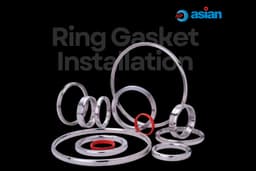
Ring gaskets are precision-engineered sealing components designed to fit into groove-type flanges, commonly known as Ring Type Joint (RTJ) flanges. They are typically made from metallic materials and are designed to withstand extremely high pressure and temperature conditions.
Common Types of Ring Gaskets
- Oval Ring Gaskets
- Octagonal Ring Gaskets
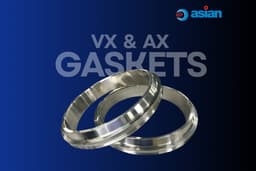
- BX Type Gaskets
- RX Type Gaskets
Each type is designed for specific pressure classes and flange standards, making selection highly application-dependent.
Why Proper Selection of Ring Gaskets Matters?
A ring gasket is a small component, but it plays a major role in system integrity. Incorrect selection can lead to:
- Pipeline leakage
- Pressure loss
- Equipment damage
- Safety hazards
- Environmental risks
- Unplanned shutdowns
On the other hand, the right gasket ensures:
- Long-term sealing reliability
- Reduced maintenance costs
- Improved operational safety
- Better system efficiency
10 Important Factors to Consider Before Buying Ring Gaskets
1. Operating Pressure Conditions
The most critical factor when selecting a ring gasket is the pressure rating of your system.
Ring gaskets are specifically designed for high-pressure environments, but not all types support the same pressure range.
Why it matters
- High-pressure systems require stronger gasket designs like BX or RX types
- Low-pressure mismatch can cause deformation or leakage
- Over-specification increases unnecessary cost
What you should check
- System design pressure
- Peak pressure fluctuations
- Pressure class of flanges (API / ANSI / ASME standards)
Best practice: Always match gasket type with flange pressure rating for optimal sealing performance.
2. Temperature Resistance Requirements
Temperature plays a major role in gasket performance. Extreme heat or cold can affect material strength, hardness, and sealing capability.
Key considerations
- High-temperature applications (refineries, boilers) require heat-resistant alloys
- Low-temperature environments may require special metal grades to avoid brittleness
- Thermal cycling can lead to expansion and contraction stress
Common materials used
- Stainless Steel (SS304, SS316)
- Inconel
- Soft iron
- Low-carbon steel
Insight: Always ensure that the gasket material can withstand both operating and peak temperature conditions.
3. Material Compatibility with Fluids
One of the most overlooked factors is chemical compatibility between the gasket material and the pipeline fluid.
Why is it important
If the gasket material reacts with transported media, it may lead to:
- Corrosion
- Weakening of the gasket structure
- Leakage or contamination
Examples
- Acidic fluids require corrosion-resistant alloys
- Hydrocarbon pipelines require oil-resistant materials
- High-salinity environments need anti-corrosive grades
Recommendation: Always evaluate chemical composition before selecting gasket material.
4. Flange Type and Standard Compatibility
Ring gaskets are designed to work with specific flange types, especially Ring Type Joint (RTJ) flanges.
What you must check
- Flange standard: ASME B16.5, API 6A, DIN
- Groove type: Oval or octagonal
- Compatibility with the existing piping system
Why it matters
A mismatch between the gasket and the flange groove can lead to:
- Improper seating
- Uneven load distribution
- Leakage under pressure
Best practice: Always verify flange groove dimensions before purchasing.
5. Gasket Type Selection (Oval, Octagonal, BX, RX)
Different ring gasket types are designed for different applications.
Overview
- Oval Gaskets: Traditional design, suitable for low to medium high-pressure systems
- Octagonal Gaskets: Improved sealing efficiency, better pressure distribution
- BX Gaskets: Designed for extremely high-pressure applications (API 6A)
- RX Gaskets: Self-energizing type used in subsea and critical systems
Why this matters
Each type has unique sealing characteristics. Choosing the wrong type can reduce efficiency or cause system failure.
6. Dimensional Accuracy and Standards
Precision is everything in industrial sealing.
Key parameters
- Inner and outer diameter
- Cross-sectional profile
- Groove fit accuracy
- Manufacturing tolerance
Standards to check
- ASME B16.20
- API 6A
- ISO standards
Why it matters: Even minor dimensional deviation can cause improper sealing under pressure.
7. Corrosion Resistance and Environmental Conditions
Industrial environments are often harsh, especially in offshore, chemical, or marine applications.
Factors affecting corrosion
- Moisture exposure
- Salt content in the air or fluid
- Chemical exposure
- Atmospheric conditions
Material selection tip
- Stainless steel for general corrosion resistance
- Inconel for extreme environments
- Coated alloys for additional protection
Business impact: Better corrosion resistance means longer gasket life and reduced replacement frequency.
8. Load and Stress Handling Capacity
Ring gaskets must withstand high mechanical loads created during flange tightening.
Key stress factors
- Bolt preload force
- Internal pressure force
- Thermal expansion stress
Why it matters
If the gasket cannot handle mechanical stress:
- It may deform
- Seal integrity may fail
- Flange damage may occur
Best practice: Always ensure gasket load capacity matches system design specifications.
9. Installation Method and Ease of Handling
Even the best gasket can fail if installed incorrectly.
Installation considerations
- Proper alignment with flange groove
- Clean and damage-free surface
- Correct torque application
- Use of proper tools
Common installation errors
- Over-tightening bolts
- Misalignment of gasket
- Reusing old gaskets
Recommendation: Use trained technicians for installation in high-pressure systems.
10. Supplier Quality and Certification
The reliability of ring gaskets heavily depends on manufacturing quality.
What to check in a supplier
- ISO certification
- API compliance
- Material test certificates (MTC)
- Dimensional inspection reports
- Pressure test validation
Why it matters
Certified products ensure:
- Consistent quality
- Reliable performance
- Compliance with industrial safety standards
Business advantage: Reduces risk of failure and improves procurement confidence.
Common Mistakes to Avoid When Buying Ring Gaskets
Even experienced buyers sometimes make errors, such as:
- Selecting a gasket based only on price
- Ignoring pressure-temperature compatibility
- Using an incorrect gasket type for the flange
- Reusing old or damaged gaskets
- Skipping material certification checks
Avoiding these mistakes significantly improves system reliability and reduces operational risks.
Applications of Ring Gaskets in Industries
Ring gaskets are widely used in:
- Oil & gas pipelines
- Offshore drilling platforms
- Petrochemical plants
- Power generation units
- High-pressure steam systems
- Refineries and chemical plants
Their ability to withstand extreme conditions makes them essential in critical industrial operations.
Future Trends in Ring Gasket Technology
The industrial sealing industry is evolving rapidly. Some emerging trends include:
1. Advanced Alloy Materials
Stronger, corrosion-resistant alloys for extreme environments.
2. Improved Precision Manufacturing
CNC-based machining for ultra-tight tolerances.
3. Enhanced Sealing Efficiency Designs
Optimized cross-sections for better load distribution.
4. Sustainability Focus
Long-life materials reduce industrial waste.
5. Smart Maintenance Integration
Predictive maintenance systems in high-end industrial setups.
Conclusion
Choosing the right ring gasket is a critical engineering decision that directly affects safety, efficiency, and long-term operational performance. By carefully evaluating the 10 important factors—pressure, temperature, material compatibility, flange type, gasket design, dimensional accuracy, corrosion resistance, stress handling, installation, and supplier quality, you can ensure maximum reliability and performance in your piping systems.
A well-selected ring gasket not only prevents leakage but also reduces downtime, improves safety, and enhances overall system efficiency. For industries operating under high-pressure conditions, investing time in proper gasket selection is always a cost-saving decision in the long run.