

In industrial piping systems, choosing the right gasket is one of the most important decisions for ensuring leak-proof operations, equipment safety, and long-term performance. Whether it is oil & gas plants, petrochemical industries, refineries, power plants, or manufacturing facilities, the type of gasket used directly impacts operational efficiency and maintenance costs.
Among the most commonly used flange sealing solutions are RTJ Gaskets ( Ring Gaskets), Flat Face Gaskets, and Raised Face Gaskets. Each gasket type is designed for different pressure ratings, temperature ranges, flange configurations, and industrial applications.
Many businesses and engineers often get confused about which gasket type is best suited for their systems. Using the wrong gasket can lead to leakage, flange damage, production downtime, and safety risks.
This comprehensive guide explains the major differences between RTJ Gasket vs Flat Face Gasket vs Raised Face Gasket, including their construction, advantages, disadvantages, applications, pressure handling capabilities, and how to choose the right gasket for industrial operations.
What Is an Industrial Gasket?
An industrial gasket is a mechanical sealing component placed between two mating flange surfaces to prevent leakage of gases, liquids, chemicals, or steam under compression.
Gaskets help:
- Prevent fluid leakage
- Maintain pressure integrity
- Reduce operational risks
- Improve equipment efficiency
- Protect flange surfaces
- Handle vibration and thermal expansion
Different flange designs require specific gasket types to ensure effective sealing performance.
Understanding Flange Types Before Choosing Gaskets
Before comparing gasket types, it is important to understand the flange face configurations used in industrial piping systems.
Main Flange Face Types
1. Flat Face (FF) Flange
A flat face flange has an entirely flat sealing surface. The gasket covers the full flange face.
2. Raised Face (RF) Flange
A raised face flange contains a small elevated portion around the bore where the gasket is seated.
3. Ring Type Joint (RTJ) Flange
RTJ flanges contain precision-machined grooves designed to accommodate metallic ring gaskets for high-pressure sealing.
Each flange type requires a compatible gasket design for effective sealing.
What Is an RTJ Gasket?
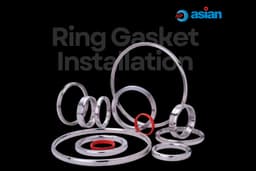
An RTJ (Ring Type Joint) gasket is a precision-machined metallic gasket used primarily in high-pressure and high-temperature applications.
RTJ gaskets fit into specially designed grooves on RTJ flanges. When compressed, the metal gasket creates a strong metal-to-metal seal capable of withstanding extreme industrial conditions.
Common RTJ Gasket Materials
- Soft Iron
- Stainless Steel
- Carbon Steel
- Inconel
- Monel
- Duplex Steel
- Hastelloy
Types of RTJ Gaskets
Oval RTJ Gasket
Features an oval-shaped cross-section used in older flange systems.
Octagonal RTJ Gasket
Offers improved sealing efficiency and is widely used in modern industrial systems.
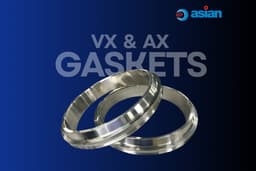
RX and BX RTJ Gaskets
Designed for extremely high-pressure applications in oil and gas industries.
What Is a Flat Face Gasket?
A Flat Face Gasket is used with flat face flanges where the entire flange surface is in contact with the gasket.
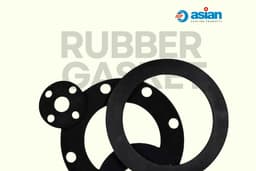
These gaskets are usually soft-cut non-metallic materials designed for low-pressure systems.
Common Flat Face Gasket Materials
- Rubber
- PTFE
- CNAF
- Graphite
- Compressed Fiber
- Non-Asbestos Sheet
Flat face gaskets distribute bolt pressure evenly across the flange surface.
What Is a Raised Face Gasket?
A Raised Face Gasket is designed for RF flanges where only the raised portion of the flange compresses the gasket.
These are among the most widely used industrial gasket types due to their versatility and efficiency.
Common Raised Face Gasket Types
- Spiral Wound Gaskets
- Graphite Gaskets
- PTFE Gaskets
- Kammprofile Gaskets
- Metal Jacketed Gaskets
Raised face gaskets are suitable for moderate to high-pressure industrial applications.
RTJ Gasket vs Flat Face Gasket vs Raised Face Gasket
1. Design Difference
RTJ Gasket
RTJ gaskets are metallic rings designed to fit into flange grooves for metal-to-metal sealing.
Flat Face Gasket
Flat face gaskets cover the complete flange surface and provide full-face sealing.
Raised Face Gasket
Raised face gaskets seal only the raised portion around the pipe bore.
2. Pressure Handling Capability
RTJ Gasket
RTJ gaskets are designed for extremely high-pressure applications.
Typical pressure range:
- Class 600 to 2500+
Industries like offshore drilling and refineries commonly use RTJ gaskets.
Flat Face Gasket
Flat face gaskets are suitable for low-pressure systems.
Typical pressure range:
- Class 150 to 300
Common in water lines and utility systems.
Raised Face Gasket
Raised face gaskets handle medium to high pressures effectively.
Typical pressure range:
- Class 150 to 900+
3. Temperature Resistance
RTJ Gasket
Excellent high-temperature resistance due to metallic construction.
Suitable for:
- Steam systems
- Refinery operations
- High-temperature gas pipelines
Flat Face Gasket
Limited temperature resistance depending on material type.
Rubber and soft sheet materials may degrade under extreme temperatures.
Raised Face Gasket
Can handle moderate to high temperatures based on gasket material selection.
Spiral wound gaskets with graphite filler offer excellent thermal performance.
4. Sealing Efficiency
RTJ Gasket
Provides the highest sealing integrity among the three gasket types.
Ideal for:
- Hazardous chemicals
- Hydrocarbon processing
- High-pressure steam
Flat Face Gasket
Provides basic sealing for non-critical applications.
Less effective under severe operating conditions.
Raised Face Gasket
Offers reliable sealing for most industrial operations.
Widely preferred for balanced performance and cost efficiency.
5. Flange Compatibility
RTJ Gasket
Compatible only with RTJ flanges.
Flat Face Gasket
Used exclusively with flat face flanges.
Raised Face Gasket
Compatible with raised face flanges.
Using the wrong gasket with incompatible flange faces can cause leakage and equipment damage.
6. Installation Complexity
RTJ Gasket
Requires precise alignment and skilled installation.
Improper installation can damage flange grooves.
Flat Face Gasket
Simple and easy to install.
Often preferred for low-maintenance systems.
Raised Face Gasket
Moderately easy installation.
Requires proper bolt torque distribution.
7. Cost Comparison
RTJ Gasket
Most expensive due to:
- Metallic materials
- Precision machining
- High-performance applications
Flat Face Gasket
Most economical option.
Suitable for budget-conscious operations.
Raised Face Gasket
Moderate pricing depending on material and construction type.
8. Maintenance Requirements
RTJ Gasket
Requires careful inspection of flange grooves and gasket seating surfaces.
Flat Face Gasket
Simple maintenance and easy replacement.
Raised Face Gasket
Moderate maintenance requirements.
Spiral wound gaskets may need periodic inspection under cyclic loads.
9.Advantages of RTJ Gaskets
Superior Leak Prevention
RTJ gaskets provide extremely tight sealing under harsh conditions.
Excellent Pressure Resistance
Capable of handling ultra-high-pressure systems.
High Temperature Durability
Metallic construction withstands severe temperatures.
Long Service Life
Highly durable when installed correctly.
Ideal for Critical Industries
Common in:
- Oil & gas
- Petrochemicals
- Offshore platforms
- Refineries
Disadvantages of RTJ Gaskets
- Higher initial cost
- Requires precision machining
- Needs skilled installation
- Not suitable for low-pressure systems
- Flange groove damage can affect sealing
10. Advantages of Flat Face Gaskets
Low Cost
Affordable sealing solution for standard operations.
Easy Installation
Simple flange alignment and maintenance.
Suitable for Fragile Flanges
Often used with cast iron flanges to prevent cracking.
Good for Utility Applications
Common in:
- Water systems
- HVAC
- Low-pressure piping
Disadvantages of Flat Face Gaskets
- Limited pressure resistance
- Lower sealing efficiency
- Reduced durability under extreme conditions
- Not suitable for critical applications
11.Advantages of Raised Face Gaskets
Versatile Performance
Suitable for various industries and pressure ranges.
Excellent Sealing
Better sealing efficiency than flat face gaskets.
Wide Material Availability
Available in metallic and non-metallic combinations.
Cost-Effective Industrial Solution
Balances performance and affordability.
Disadvantages of Raised Face Gaskets
- Requires proper bolt tightening
- Can fail under excessive flange rotation
- Some materials may degrade chemically
12.Applications of RTJ Gaskets
RTJ gaskets are widely used in:
- Offshore drilling platforms
- Oil refineries
- High-pressure valves
- Petrochemical plants
- Subsea pipelines
- Pressure vessels
- Steam systems
Applications of Flat Face Gaskets
Flat face gaskets are commonly used in:
- Water treatment plants
- HVAC systems
- Food processing
- Low-pressure utility lines
- Cast iron piping systems
Applications of Raised Face Gaskets
Raised face gaskets are used in:
- Chemical plants
- Power plants
- General industrial piping
- Process industries
- Heat exchangers
- Compressors
- Pumps
13.Which Gasket Is Best for High Pressure?
For high-pressure systems, RTJ gaskets are considered the best option because of their:
- Metal-to-metal sealing
- Extreme pressure tolerance
- High reliability
- Excellent temperature resistance
RTJ gaskets are specifically engineered for demanding industrial environments.
Which Gasket Is Best for Low Pressure?
Flat face gaskets are ideal for low-pressure applications due to:
- Lower cost
- Easy installation
- Adequate sealing for utility systems
They are especially useful for non-critical applications.
Which Gasket Offers the Best Balance?
Raised face gaskets provide the best balance between:
- Cost
- Sealing performance
- Pressure handling
- Availability
- Maintenance
This makes them one of the most widely used gasket solutions worldwide.
How to Choose the Right Gasket for Your Industry ?
Choosing the right gasket depends on several factors.
1. Operating Pressure
Higher pressure requires stronger gasket materials and designs.
2. Operating Temperature
Extreme temperatures demand metallic or graphite-based sealing solutions.
3. Chemical Compatibility
The gasket material must resist process chemicals.
4. Flange Design
Always match the gasket to the flange face type.
5. Maintenance Requirements
Choose gaskets that suit maintenance accessibility and operational downtime limitations.
6. Budget
Balance performance needs with long-term operational costs.
Common Mistakes When Selecting Industrial Gaskets
Using Incorrect Flange Compatibility
Using RF gaskets on FF flanges can damage equipment.
Ignoring Temperature Ratings
Improper gasket material selection may lead to early failure.
Over-Tightening Bolts
Excessive compression can crush gasket materials.
Reusing Old Gaskets
Old gaskets lose sealing integrity and should generally be replaced.
Choosing Based Only on Price
Low-cost gaskets may increase maintenance expenses over time.
Importance of Proper Gasket Installation
Even the best gasket can fail if installed incorrectly.
Best Installation Practices
- Clean flange surfaces properly
- Use correct bolt torque sequence
- Ensure flange alignment
- Avoid gasket contamination
- Replace damaged flanges immediately
Proper installation significantly improves gasket lifespan and sealing reliability.
Future Trends in Industrial Gasket Technology
Industrial gasket technology continues evolving with advanced materials and engineering innovations.
Emerging Trends
High-Performance Metallic Gaskets
Designed for extreme pressure and corrosive environments.
Environmentally Friendly Gasket Materials
Industries are moving toward safer and sustainable sealing materials.
Smart Monitoring Systems
Advanced industrial systems now include leak detection technologies for predictive maintenance.
Improved Graphite and PTFE Solutions
Modern gasket fillers improve thermal and chemical resistance.
RTJ Gasket vs Flat Face Gasket vs Raised Face Gasket: Quick Comparison Table
| Feature | RTJ Gasket | Flat Face Gasket | Raised Face Gasket |
|---|---|---|---|
| Pressure Rating | Very High | Low | Medium to High |
| Temperature Resistance | Excellent | Moderate | Good |
| Material Type | Metallic | Soft Materials | Metallic/Non-Metallic |
| Sealing Efficiency | Excellent | Basic | Very Good |
| Installation | Complex | Easy | Moderate |
| Cost | High | Low | Moderate |
| Flange Type | RTJ Flange | Flat Face Flange | Raised Face Flange |
| Main Industries | Oil & Gas | Utilities | General Industry |
Final Thoughts
Understanding the differences between RTJ Gasket vs Flat Face Gasket vs Raised Face Gasket is essential for selecting the right sealing solution for industrial operations.
Each gasket type serves a specific purpose:
- RTJ Gaskets are best for extreme pressure and temperature applications.
- Flat Face Gaskets are ideal for low-pressure utility systems.
- Raised Face Gaskets provide versatile sealing performance for general industrial use.
Selecting the correct gasket improves safety, reduces maintenance costs, enhances sealing reliability, and increases equipment lifespan.
Businesses operating in oil & gas, petrochemical, power generation, manufacturing, and process industries should carefully evaluate operating conditions before choosing a gasket solution.
Investing in the right industrial gasket not only prevents leakage but also ensures long-term operational efficiency and safety across critical industrial systems.
FAQs
RTJ gaskets are designed for high-pressure metallic sealing, Flat Face gaskets are used for low-pressure applications with full-face contact, and Raised Face gaskets provide balanced sealing performance for medium to high-pressure industrial systems.
RTJ gaskets are the best choice for high-pressure and high-temperature environments because they provide strong metal-to-metal sealing. They are commonly used in oil refineries, offshore platforms, petrochemical plants, and critical industrial piping systems.
No, Flat Face gaskets should not be used on Raised Face flanges because improper flange compatibility can lead to uneven compression, leakage, and flange damage. Always match the gasket type with the correct flange face design.
Raised Face gaskets are popular because they offer excellent sealing efficiency, cost-effectiveness, and versatility. They can handle moderate to high pressure and are suitable for power plants, chemical industries, manufacturing units, and general piping systems.
Industrial gaskets are manufactured using materials like stainless steel, graphite, PTFE, rubber, compressed fiber, soft iron, and spiral wound combinations. The material selection depends on temperature, pressure, and chemical compatibility requirements.
Businesses can improve gasket lifespan by selecting the correct gasket type, following proper bolt torque procedures, maintaining clean flange surfaces, avoiding gasket reuse, and conducting regular inspections to prevent leakage and equipment failure.