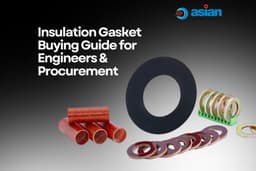



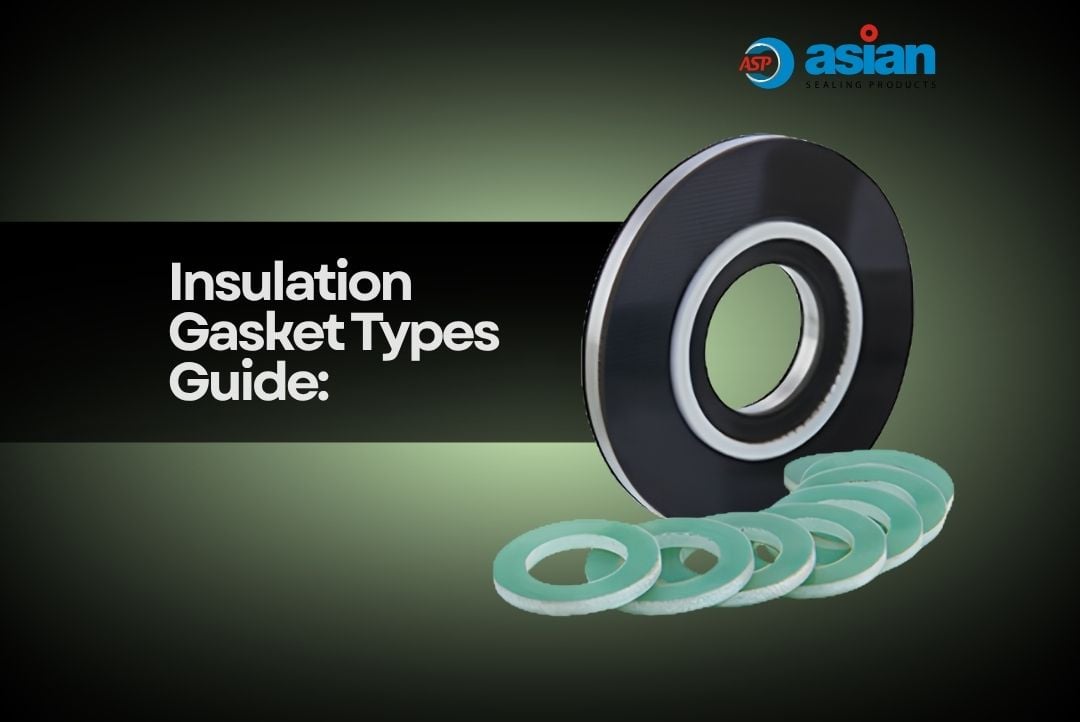
Insulation gaskets are crucial in various industries by preventing electrical current flow between pipeline sections. Among the diverse options available, Type E, Type F, and Type D insulation gaskets stand out for their unique features, materials, and applications. This comprehensive guide will explore the differences between these types, exploring their features, uses, shapes, materials, and components.
What is an Insulation Gasket?
An insulation gasket is a specialized component used in industrial applications to provide electrical insulation and prevent galvanic corrosion between dissimilar metals in flange connections. Flange connections are commonly found in pipelines, valves, and various equipment where metal components are joined together. The primary purpose of an insulation gasket is to maintain the system’s integrity by creating a barrier that isolates the metals, thus preventing direct metal-to-metal contact and the associated issues of galvanic corrosion.
There are five types of insulation gaskets:
- Type E (Full Face Type Gasket)
- Type F (Raised Face Type Gasket)
- Type D (RTJ Type Gaskets)
- Metal Core with G10/G11 Gaskets
- G10/G11 with Viton/Spring Energized Gaskets
To explore insulation gaskets and their varied types in-depth, delve into our comprehensive guide.
Type E Insulation Gaskets
A Type E insulation gasket is a full-face gasket that covers the entire flange facing. This specific gasket type is well-suited for applications demanding complete flange isolation. Typically employed in low-pressure systems, Type E insulation gaskets are particularly effective when a thorough seal is imperative to prevent fluid or gas leakage across the flange interface. The design of the Type E gasket ensures robust and uniform isolation, making it an essential choice in situations where maintaining the integrity of the system is of utmost importance.
1: Features:
Material Composition: Type E insulation gaskets strike a delicate balance between the insulating material and the metallic core and are typically composed of phenolic laminate and elastomeric materials.
Shape: The Type E gasket often comes in a circular shape, allowing easy installation within flanges. Its design includes a raised central portion to prevent metal-to-metal contact. At their core lies a metallic structure, often stainless steel, crucial for maintaining structural integrity and facilitating proper sealing.
Temperature and Pressure Resistance: Exhibiting resilience, Type E gaskets are known to withstand a wide range of temperatures and pressures, making them suitable for diverse industrial environments.
2: Uses:
Electrical Isolation: Type E gaskets are commonly employed to provide electrical isolation between flanges in pipelines carrying fluids with varying electrical potentials.
Corrosion Prevention: These gaskets prevent galvanic corrosion between dissimilar metals in flange connections.
Chemical Resistance: The phenolic laminate material enhances resistance to chemical corrosion, making Type E gaskets suitable for applications involving corrosive fluids.
Type F Insulation Gaskets
Type F insulation gaskets, specifically raised face gaskets, are meticulously engineered components tailored to fit snugly within the bolt circle of a flange. These gaskets are strategically designed to offer precise insulation around the elevated section of the flange facing. Notably, they stand out for their suitability in higher-pressure systems compared to full-face gaskets. The distinctive design of Type F insulation gaskets makes them a preferred choice in applications demanding a meticulous and targeted seal. The strategic application of Type F insulation gaskets enhances their efficiency in scenarios where a reliable, focused seal is paramount for optimal system performance.
1: Features:
Material Composition: Type F insulation gaskets commonly combine glass-filled epoxy and rubber. Also, their composition may have advanced materials such as Teflon and fluoropolymers. This composition contributes to their robust electrical insulating properties.
Shape: Similar to Type E, Type F gaskets are often circular but may differ in design details. They, too, have a raised central portion to prevent metal-to-metal contact. What sets them apart is the absence of a metallic core, a departure from traditional gasket designs.
Temperature and Pressure Resistance: Known for their durability, Type F gaskets resist high temperatures and pressures, making them suitable for demanding applications.
2: Uses:
Pipeline Integrity: Type F gaskets are widely used in applications where maintaining the pipeline’s integrity by preventing galvanic corrosion and electrical continuity is critical.
High-Pressure Environments: These gaskets find applications in high-pressure fluid transport systems due to their excellent pressure resistance.
Hydrocarbon Service: The material composition of Type F gaskets often makes them well-suited for use in hydrocarbon service environments.
Type D Insulation Gaskets
Type D insulation gaskets, or Ring Type Joint (RTJ) gaskets, are purposefully crafted for application with ring joint flanges. The unique design of these gaskets combines a metal ring with a soft sealing material to ensure a secure and dependable seal. Notably, their construction makes them well-suited for high-pressure and high-temperature environments. In practice, Type D insulation gaskets find common utilization in the oil and gas industries, specifically in scenarios demanding robust performance in high-pressure wellheads and Christmas tree connections. Their specialized design and material composition make them a reliable choice in critical applications where maintaining a tight seal under extreme conditions is paramount for operational integrity.
1: Features:
Material Composition: Type D insulation gaskets often combine PTFE (polytetrafluoroethylene) and elastomeric materials. PTFE imparts excellent chemical resistance and electrical insulation. The core of type D gaskets is typically made of soft iron or low-carbon steel.
Shape: Unlike Types E and F, Type D gaskets may vary in shape, including designs with and without a raised central portion.
Temperature and Pressure Resistance: The unique material properties of PTFE contribute to Type D gaskets’ resistance to high temperatures, and they often perform well under moderate pressures.
2: Uses:
Chemical Processing: Type D gaskets are preferred in aggressive chemical applications due to PTFE’s exceptional chemical resistance.
Electrical Isolation in Harsh Environments: These gaskets are suitable for applications where electrical isolation is necessary in challenging environments, such as extreme temperatures or corrosive substances. The dual insulation layers surrounding the metallic core in Type D gaskets are pivotal in enhancing electrical resistance.
Key Differences Between Type E, Type F, and Type D
| Feature | Type E | Type F | Type D |
|---|---|---|---|
| Metallic Core | Yes (Stainless Steel) | No | Yes (Soft Iron or Low Carbon Steel) |
| Chemical Resistance | Moderate | High | Moderate |
| Temperature Resistance | Moderate | High | High |
| Pressure Resistance | Moderate | High | High |
Factors Influencing Gasket Selection
Operating Environment Considerations
Assessing the operating environment is the first step in gasket selection. The presence of corrosive elements, extreme temperatures, and pressure differentials all play a role in determining the most suitable gasket type.
Temperature and Pressure Requirements
Different industries and applications have varying temperature and pressure requirements. Choosing a gasket that aligns with these specifications is crucial for long-term reliability.
Compatibility with Different Metals and Fluids
Compatibility is a key consideration, especially in dissimilar metals or corrosive fluids. Each gasket type’s design influences its compatibility with specific materials.
Electrical Isolation Needs
In applications where electrical isolation is critical, such as in pipelines with different metals, the choice between Type E, Type F, and Type D becomes a strategic decision.
Industry-Specific Considerations
Certain industries have unique demands that influence gasket selection. Tailoring choices to meet industry-specific challenges ensures optimal performance and longevity.
Conclusion
Choosing the right insulation gasket is crucial for the success and longevity of industrial applications. Type E, Type F, and Type D insulation gaskets offer unique features catering to specific needs. By understanding the differences in material composition, shape, temperature and pressure resistance, and intended applications, industries can make informed decisions to ensure their pipeline systems’ safety, efficiency, and durability. Whether it’s electrical isolation, corrosion prevention, or chemical resistance, selecting the appropriate insulation gasket type is critical to achieving optimal performance in diverse industrial settings.